

March Birth Flower: Daffodil, Jonquil, and March Birthday Flowers Explained
March has two birth flowers: the daffodil and the jonquil. Both belong to the Narcissus genus and are among the first flowers to bloom after winter, making them powerful symbols of rebirth, new beginnings, and hope. These bright, cheerful spring flowers perfectly capture the energy of this beautiful month as the season shifts from cold dormancy to warmth and growth.
This guide covers the history, meanings, symbolism, growing tips, gifting ideas, and cultural folklore behind both March birth month flowers. Whether you are choosing a thoughtful gift for a March birthday, planning a birth flower tattoo, or simply curious about March's official birth flower, this is the definitive resource.
What Are March Birth Flowers?
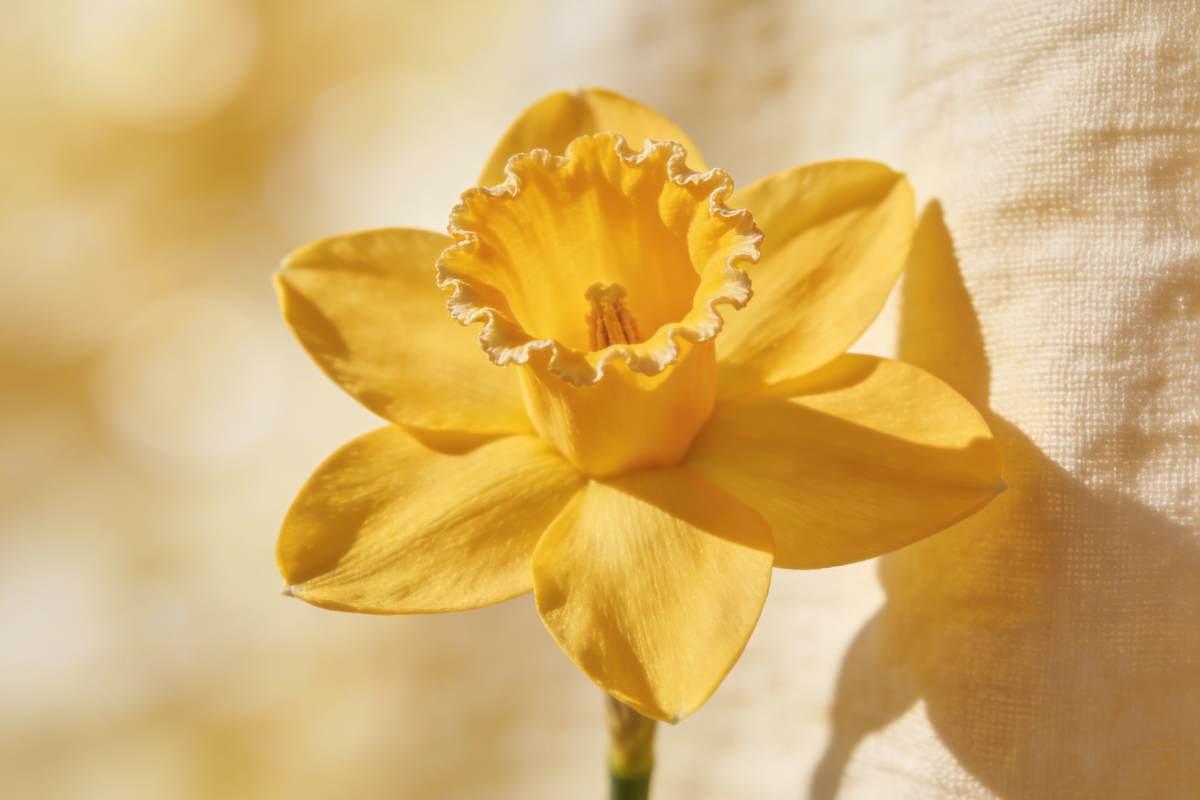
The traditional March birth flowers are the daffodil and the jonquil, both members of the Narcissus genus. The tradition of assigning birth flowers to each month dates back to ancient times, when seasonal blooms were used in ceremonies, celebrations, and as symbols of the changing seasons.
Daffodils and jonquils are the two birth flowers for March, yet they differ in form, fragrance, and garden habit. Many cultures adopt birth month flowers for holidays, national emblems, and seasonal celebrations tied to local climates, and both of these flowers feature prominently in spring traditions around the world.
People born in March are often associated with creativity and a zest for life, similar to the characteristics of daffodils and jonquils. These spring flowers suit March babies perfectly — bright, optimistic, and full of energy after the quiet winter months.
Why March Has Two Birth Month Flowers
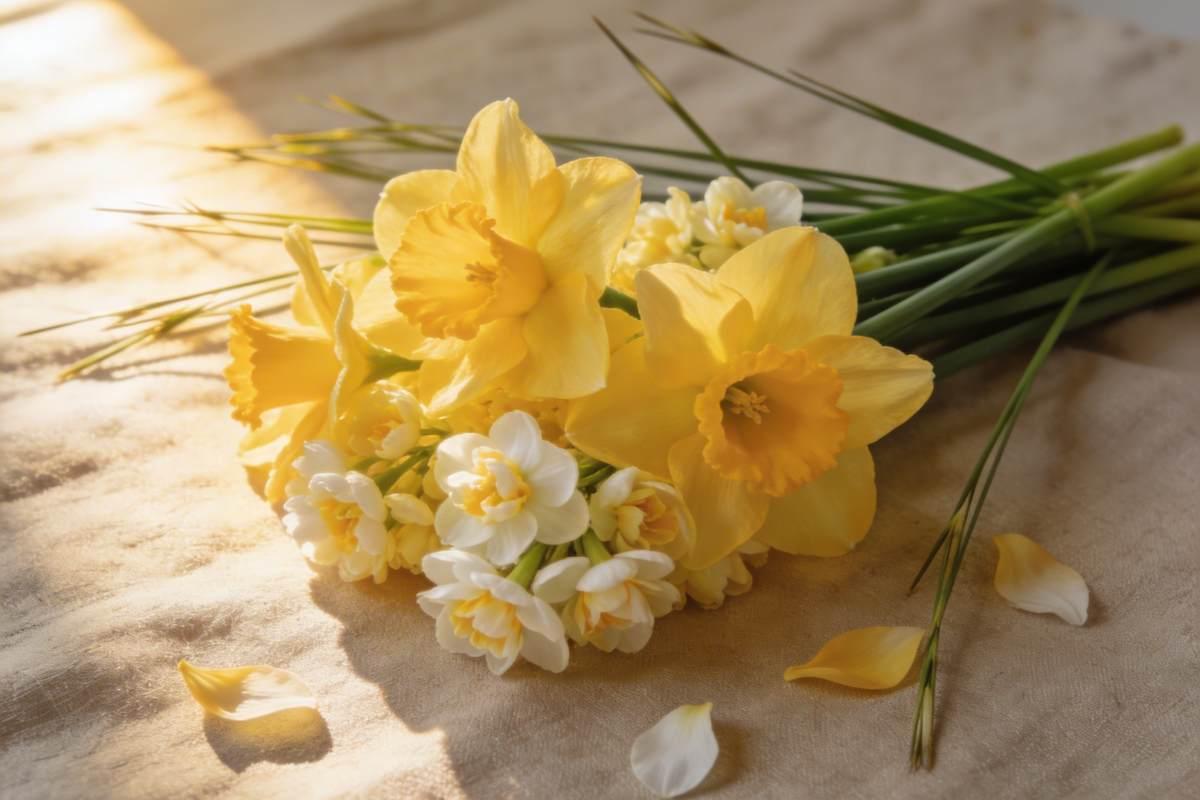
The practice of assigning two birth flowers to a single month reflects regional bloom differences, historical traditions, and the wide diversity within the Narcissus genus itself. While all jonquils are technically daffodils, the two have distinct appearances, fragrances, and symbolic nuances that make them worth celebrating separately.
Daffodils emphasise renewal and optimism with their bold trumpet shaped flowers and bright yellow colour. Jonquils add intimacy, longing, and affectionate connotations through their intense sweet scent and delicate clustered blooms. Having two birth flowers gives March-born individuals the flexibility to choose the flower that resonates most with their personality and preferences.
The inclusion of both flowers enriches the tradition and offers greater variety for those who enjoy connecting with the symbolism and meanings associated with birth flowers.
March's Official Birth Flower: The Daffodil (Narcissus)
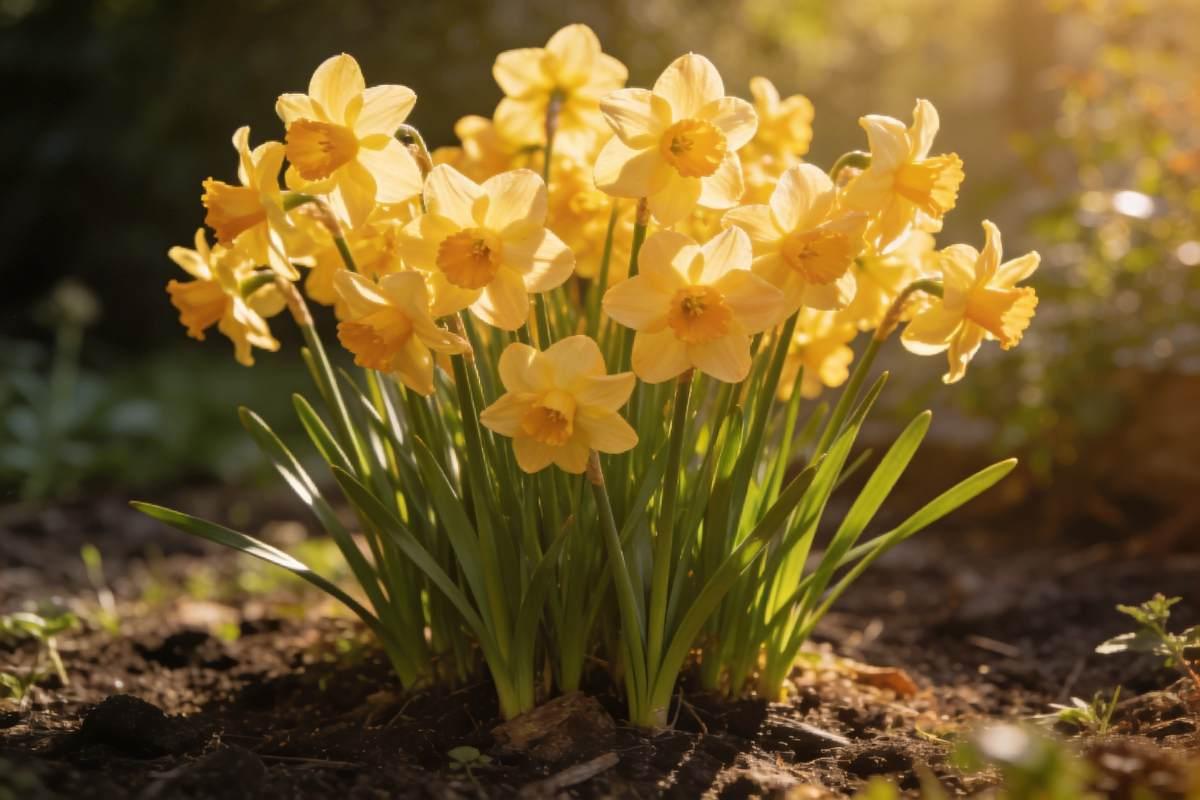
The daffodil is March's official birth flower and one of the most recognisable spring flowers in the world. Daffodils are known for their trumpet-shaped blooms and cheerful appearance, with their bright yellow colour signaling the arrival of spring across gardens, parks, and wild meadows.
Daffodils are bulbous perennial plants that grow in clumps and can reach a height of 6–24 inches (15–60 cm). They are native to the Mediterranean region, North Africa, and Western Asia, and have been cultivated and admired since ancient times for their beauty and medicinal properties.
As birth flowers for March, daffodils represent renewal and optimism. They are among the first flowers to bloom after the winter season, pushing through cold soil to deliver a burst of colour and joy when the garden needs it most.
Daffodil Meanings and Symbolism
Daffodils symbolize rebirth, new beginnings, and hope, as they are among the first flowers to bloom after the winter season. Their emergence each spring is a powerful reminder that warmer days are ahead, making them a universal symbol of fresh starts and renewal.
In the Victorian era, daffodils were often used in art and literature to convey emotions such as chivalry, respect, and unrequited love. The language of flowers gave daffodils special meanings that extended beyond simple beauty into the realm of deep personal expression.
Daffodils also represent joy, cheerfulness, and the arrival of spring. Both daffodils and jonquils are associated with the arrival of spring and symbolize joy and cheerfulness, making them a popular choice for celebrations, gifts, and seasonal decorations.
The daffodil's bright yellow petals and bold form convey confidence and warmth — qualities that make this flower an ideal symbol for people born in this beautiful month.
Daffodil History and Greek Mythology
The daffodil's connection to Greek mythology is one of the most famous stories in floral folklore. In Greek mythology, the daffodil is associated with Narcissus, a youth who fell in love with his own reflection in a pool of water. Unable to leave the beauty he saw, Narcissus wasted away and was transformed into the flower that now bears his name.
The ancient Greeks considered the daffodil a flower of the underworld as well as a symbol of beauty. The daffodil's connection to Persephone in Greek mythology symbolizes the boundary between life and death, as well as renewal — Persephone's return from the underworld each spring mirrors the daffodil's annual emergence from dormant bulbs.
Beyond Greek mythology, daffodils hold national significance in Wales, where they are the emblem for St. David's Day, celebrated on 1 March each year. The Welsh tradition of wearing a daffodil on St. David's Day has made this flower synonymous with national pride, spring, and the month of March itself.
Daffodils have been cultivated and admired since ancient times for their beauty and medicinal properties. Historical texts reference daffodil-based preparations in traditional herbal remedies, though modern medicine does not support these historical uses.
Growing Daffodils and Planting Daffodil Bulbs
Daffodils prefer full sun to partial shade and well-draining, fertile soil. Plant daffodil bulbs in autumn, at a depth of two to four times the bulb's height, in a spot that receives plenty of sunlight during the growing season.
Daffodil bulbs require a cool winter period to set blooms and perform best when left undisturbed for several years. Naturalising daffodil bulbs in lawns or under trees produces larger clumps and more reliable spring displays over time, creating stunning drifts of yellow each spring.
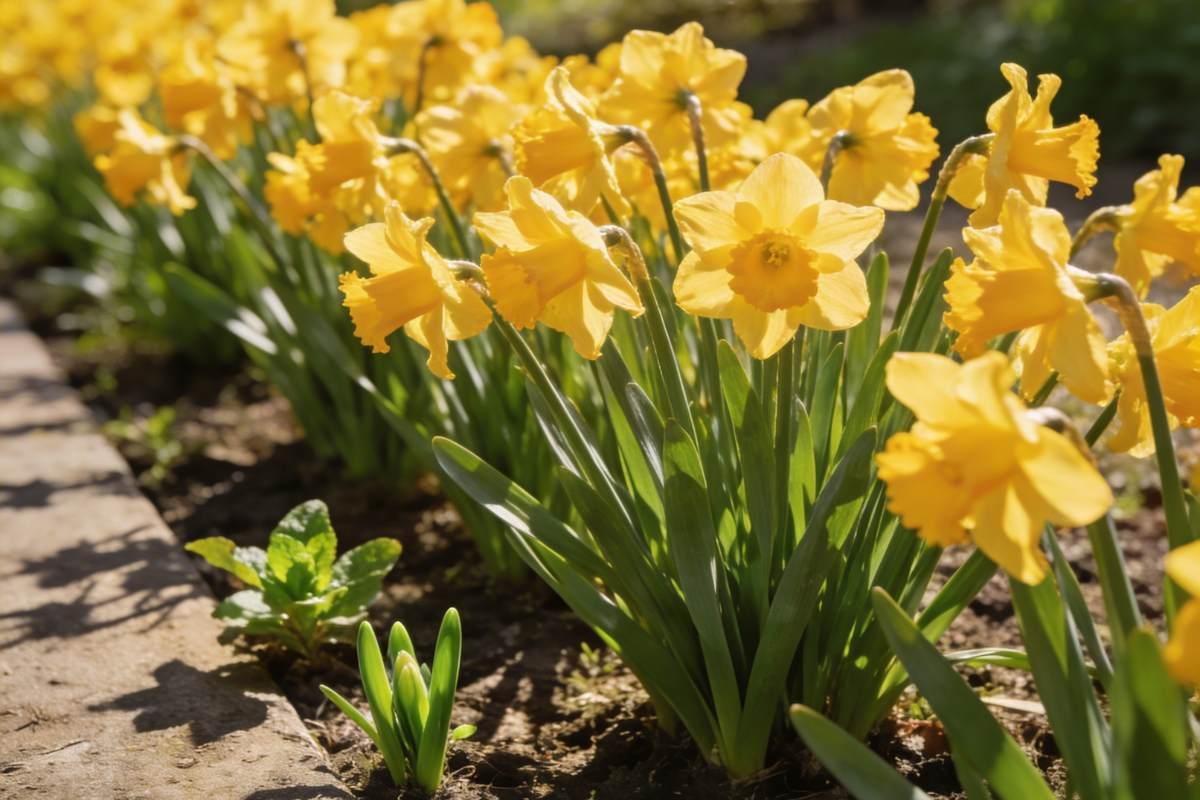
Daffodils bloom from early to late spring, depending on the variety and climate. They are hardy in many temperate USDA zones and are remarkably low-maintenance once established. Daffodils are often used in borders, rock gardens, woodland gardens, or naturalised in lawns.
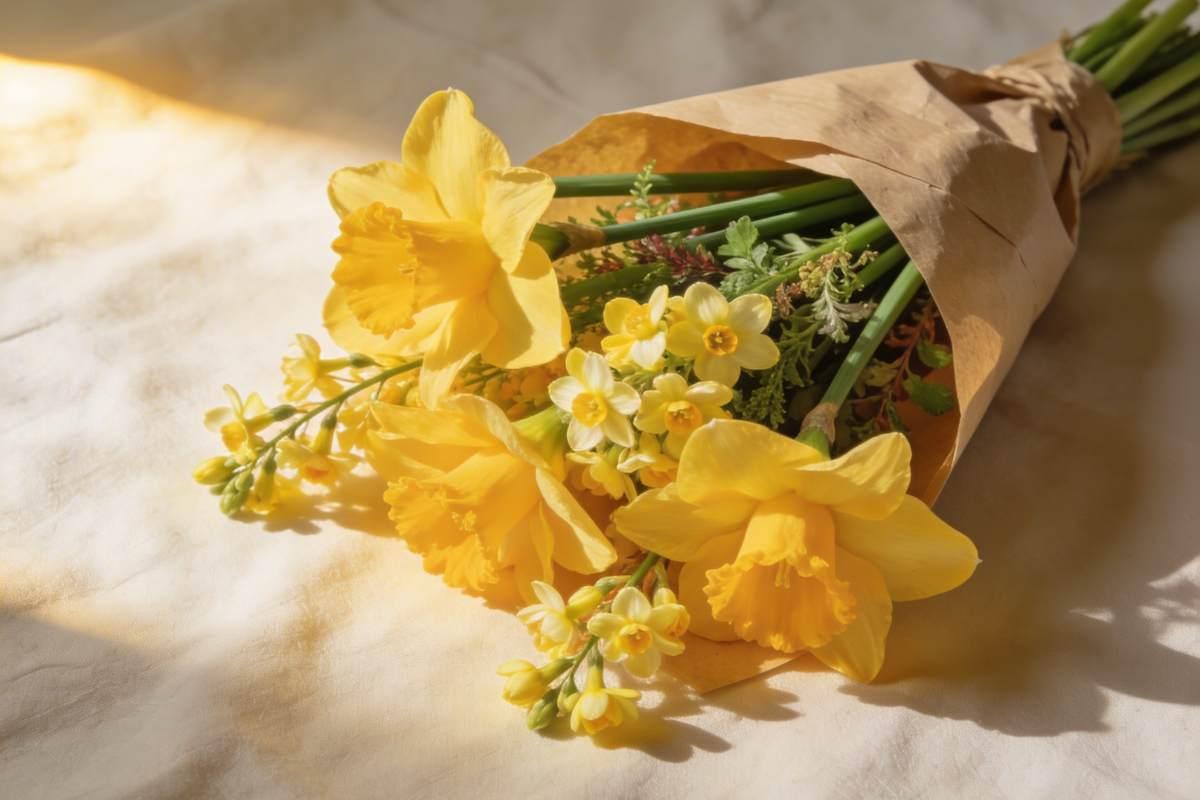
As cut flowers, daffodils can stay fresh for up to six weeks in a vase when properly cared for. This impressive vase life makes them a practical and beautiful choice for floral arrangements and March birthday bouquets. Daffodils are often used in floral arrangements and bouquets to celebrate the arrival of spring and symbolize hope and renewal.
March's Second Birth Flower: The Jonquil (Narcissus jonquilla)
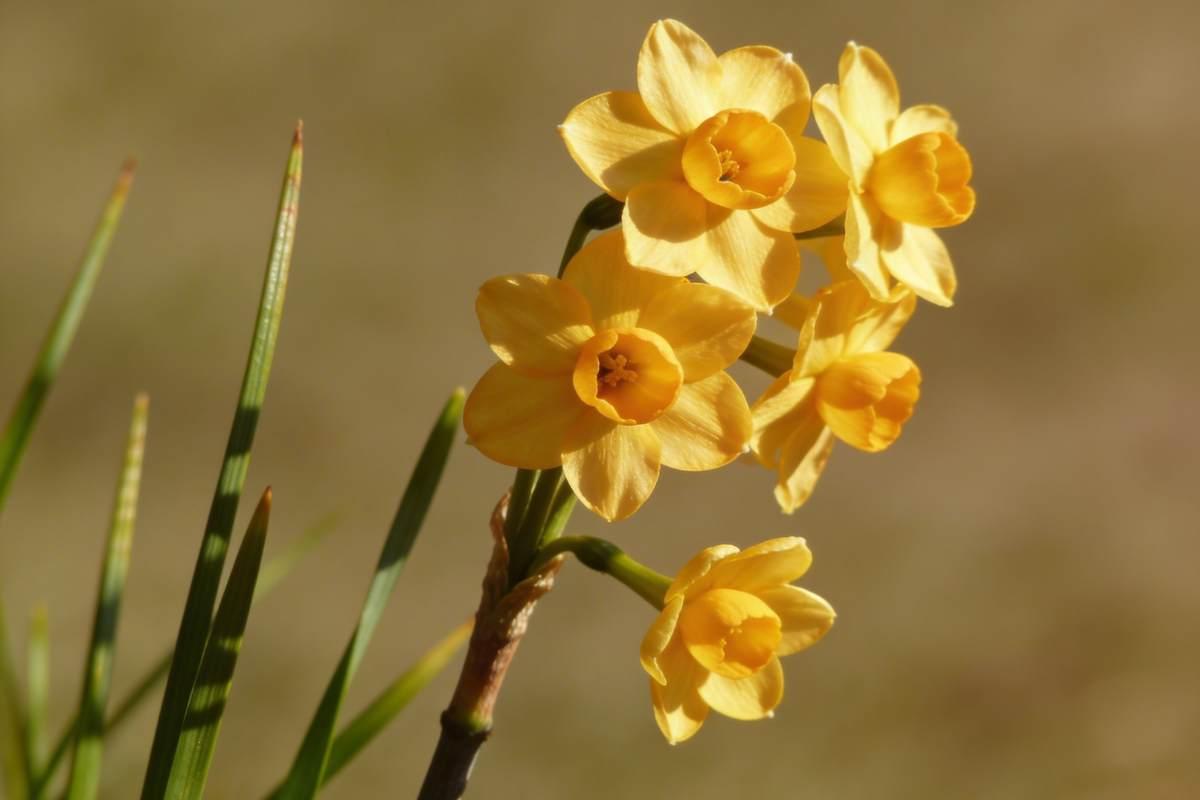
The jonquil is the second March birth flower and a specific type of daffodil known for its fragrant blooms and distinctive appearance. While all jonquils belong to the Narcissus genus, they are easily distinguished from common daffodils by their narrow, rush like leaves and clusters of intensely fragrant yellow flowers.
The name "jonquil" comes from the Spanish word "jonquillo," meaning "rush," referring to the plant's reed like leaves that resemble rushes or reeds. This distinctive foliage sets jonquils apart from the broader, strap-like leaves of standard daffodils.
Jonquils are native to the Mediterranean region, including Spain, Portugal, and southern France. They have been grown for a long time and were appreciated in ancient times for their beauty and fragrance, particularly by perfumers who prized their intense sweet scent.
Jonquil Meanings and Symbolism
Jonquils represent rebirth, new beginnings, and hope, as they are also among the first flowers to bloom after the winter season. However, jonquils carry an additional layer of meaning — they are known for their strong fragrance and are often associated with love, desire, and intimate affection.
Jonquils are frequently used in celebrations and are believed to bring good luck and happiness. In many traditions, giving jonquils as gifts is thought to bring good luck and prosperity to the recipient, making them an especially meaningful choice for March birthday celebrations.
Jonquils carry a sense of closeness and warmth that distinguishes them from the bolder, more public symbolism of standard daffodils. Where daffodils announce renewal to the world, jonquils whisper it to someone special.
Growing Jonquils and Garden Tips
Jonquils are hardy in USDA zones 4–9 and prefer full sun to partial shade and well-draining, fertile soil. They tend to prefer milder climates than some daffodil varieties and bloom slightly later, appearing in mid to late spring rather than early spring.
Each jonquil stem often bears multiple small blooms, creating clusters of fragrant flowers that are ideal for cutting and bringing indoors. Jonquils are often used in borders, rock gardens, woodland gardens, or as cut flowers for seasonal arrangements.
Plant jonquil bulbs in autumn at a similar depth to daffodil bulbs, and allow them to naturalise over several years for the best displays. Like daffodils, jonquils are remarkably low-maintenance and will return reliably each spring once established in a suitable spot.
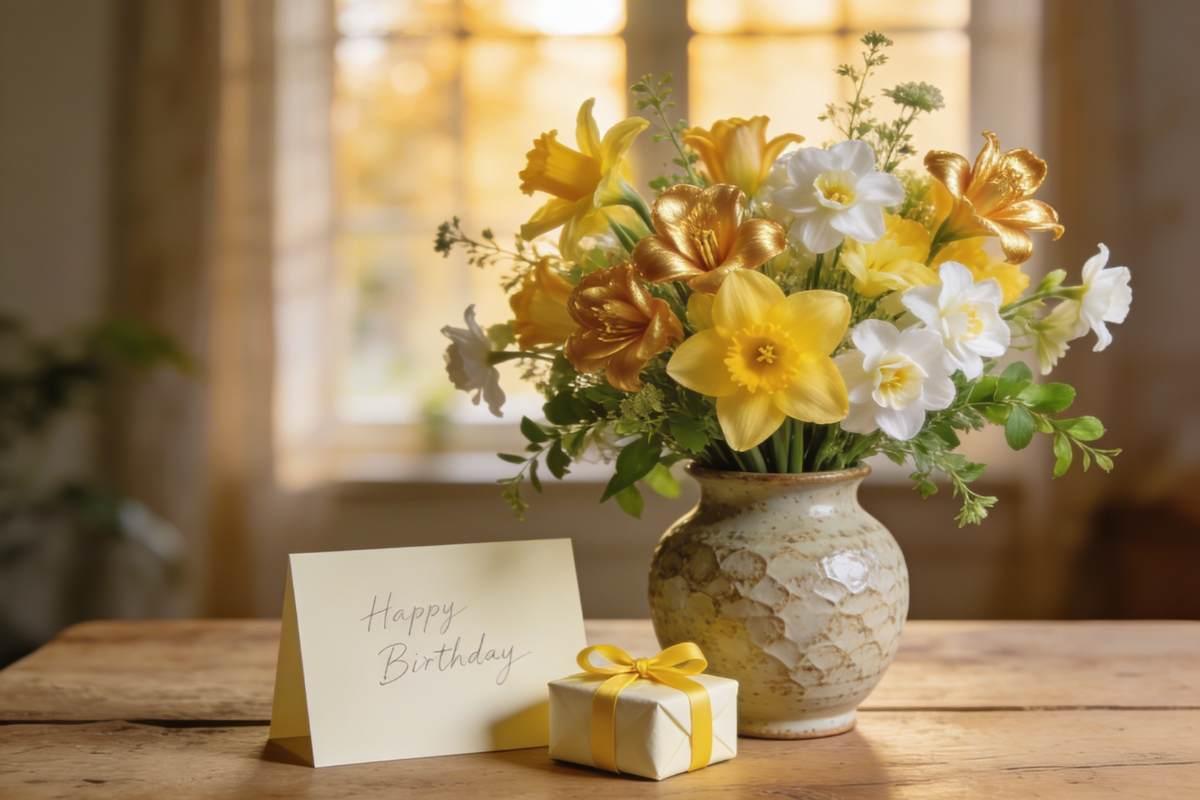
Both daffodils and jonquils are popular choices for birthday gifts due to their vibrant colors and meanings. Their reliability and beauty make them excellent garden plants as well as stunning cut flowers for spring bouquets.
Birth Month Flower Comparison: Daffodil vs Jonquil
Understanding the differences between daffodils and jonquils helps when choosing the right March birth flower for a gift or garden. While both belong to the Narcissus genus, they offer distinct qualities.
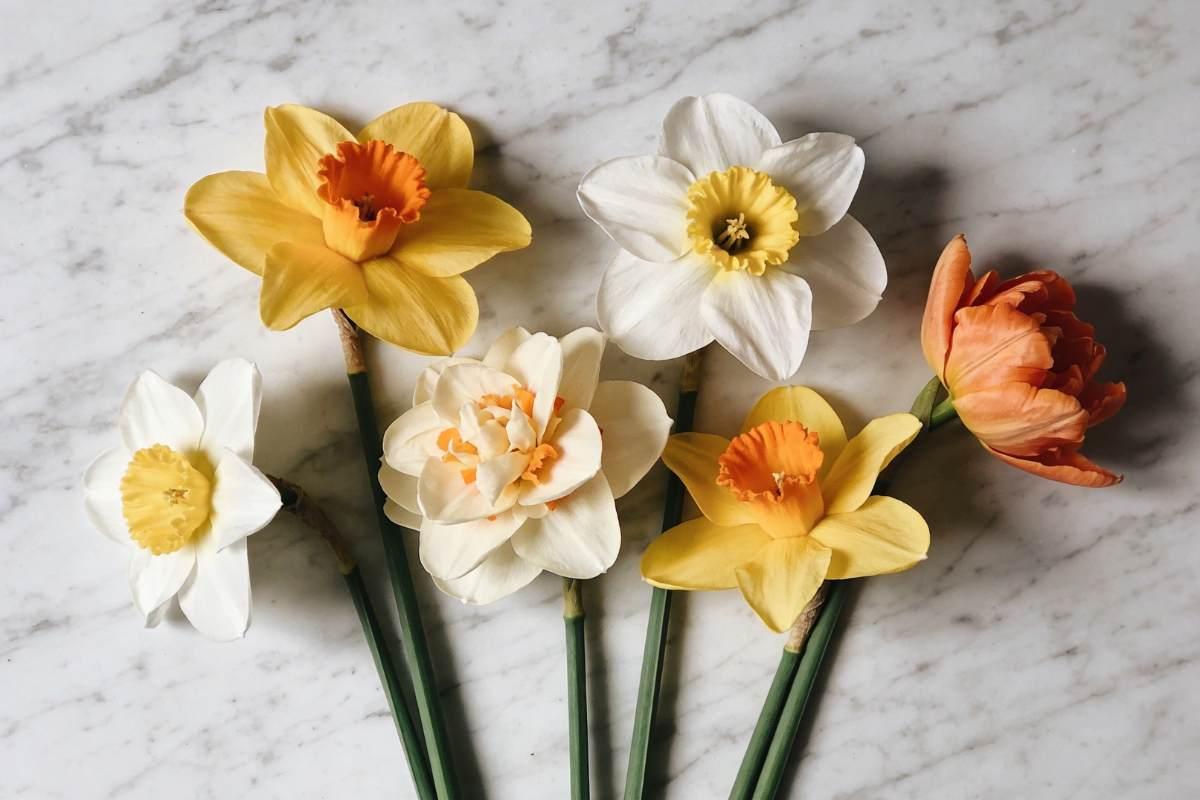
In terms of appearance, daffodils usually feature larger single trumpet shaped flowers on each stem, while jonquils present multiple small cups per stem in tight clusters. Daffodils tend to be bolder and more dramatic, while jonquils are more delicate and refined.
Fragrance is the most notable difference. Jonquils are markedly fragrant with an intense sweet scent, while many standard daffodil varieties have little or no scent at all. For anyone who values fragrance in their flowers, jonquils are the clear choice.
Symbolism differs too. Daffodils emphasise renewal, optimism, and joy as public declarations of spring's arrival. Jonquils add intimacy, longing, and affectionate connotations, making them better suited to romantic or personal gifts. Both flowers represent new beginnings, but they express this meaning in different tones.
Other Flowers Associated With March
Cherry blossoms often feature in March symbolism, representing ephemeral beauty and cultural spring festivals across Asia and beyond. While not a traditional birth flower, cherry blossom is closely associated with the transition from winter to spring.
Morning glory appears in many birth-month lists for other months but is sometimes mentioned as a related seasonal flower for spring. Sweet pea is another spring flower occasionally linked to March celebrations, though it blooms later in the season in most climates.
Regional climate shifts change which flowers represent March locally. In warmer regions, daisies and other early spring blooms may complement the traditional daffodils and jonquils. The water lily, while not a March flower, shares the Narcissus myth's connection to water and reflection.
March Birth Flower Tattoo Ideas
Birth flower tattoos have become a popular way to honour a birthday month with lasting personal meaning. March birth flower tattoos featuring daffodils and jonquils offer bold, cheerful designs with rich symbolism.
Single daffodil tattoos with their distinctive trumpet shaped flowers work beautifully as wrist, forearm, or ankle pieces. The bold lines of the daffodil's corona and petals suit both minimalist line work and detailed botanical illustration styles.
Jonquil cluster tattoos capture the flower's signature multi-bloom stems and delicate form, making them ideal for smaller placements behind the ear, on the collarbone, or along the inner arm. The rush like leaves add a natural, flowing element to the design.
Combining daffodils and jonquils in a single tattoo blends public optimism with private affection for a layered personal meaning. Incorporating birthdates, initials, or zodiac motifs personalises March birth flower tattoos and connects them to the wearer's individual story.
March Zodiac Flowers: Pisces and Aries Connections
March spans two zodiac signs — Pisces (19 February – 20 March) and Aries (21 March – 19 April). The daffodil's bold energy and association with new beginnings align naturally with Aries traits of confidence, leadership, and enthusiasm for fresh starts.
Pisces, with its emotional depth and intuitive nature, may connect more strongly with the jonquil's fragrance and intimate symbolism. The jonquil's association with love, desire, and quiet devotion mirrors the Piscean tendency toward deep feeling and romantic idealism.
Flower choices for March birthdays can reflect zodiac traits like creativity, courage, or emotional depth. Whether someone identifies more with the daffodil's bold optimism or the jonquil's gentle fragrance, both flowers offer meaningful connections to the March-born personality.
Gifting March Flowers for March Birthdays
Daffodils are often used in floral arrangements to celebrate the arrival of spring, making them a natural choice for March birthday gifts. A mixed daffodil bouquet with white and yellow varieties conveys hope, renewal, and fresh starts — perfect for someone embarking on a new chapter.
For romantic or intimate sentiments, a small, tightly scented jonquil posy delivers personal warmth and closeness. Jonquils are often associated with celebrations and are believed to bring good luck and prosperity when given as gifts, adding an extra layer of meaning to the gesture.
For a long-lasting gesture, send daffodil bulbs to plant. A gift of bulbs gives a recurring springtime reminder year after year, growing more beautiful with each passing season. Both daffodils and jonquils naturalise well and reward the recipient with expanding displays of colour and fragrance.
Personalised touches such as handwritten notes explaining the symbolism behind March birth flowers, or a card referencing the Narcissus mythology, transform a simple bouquet into a meaningful bouquet full of story and significance.
If you are looking for professionally arranged March birthday flowers, Fabulous Flowers & Gifts offers hand-crafted bouquets featuring seasonal blooms with same-day delivery in Cape Town. For a more modern, relaxed approach to flower gifting, Flower Guy delivers premium flowers with zero fuss.
Can You Grow March Flowers at Home?
Daffodils and jonquils are among the easiest spring flowers to grow at home. Both thrive in garden beds, borders, and containers, and they return reliably each year with minimal maintenance once established.
Plant bulbs in autumn in well-draining, fertile soil with access to full sun or partial shade. Daffodil bulbs require a cool winter period to trigger blooming, so they are best suited to temperate climates with distinct seasons. In warmer regions, pre-chilled bulbs can be used to achieve the same effect.
For indoor displays, force daffodil and jonquil bulbs in pots or glass containers for a burst of spring colour and fragrance on windowsills and tabletops. Forced bulbs typically bloom within a few weeks and make a beautiful, living alternative to cut flower arrangements.
Both daffodils and jonquils can be grown successfully in containers on balconies, patios, or bright windowsills, making them accessible even for those without garden space.
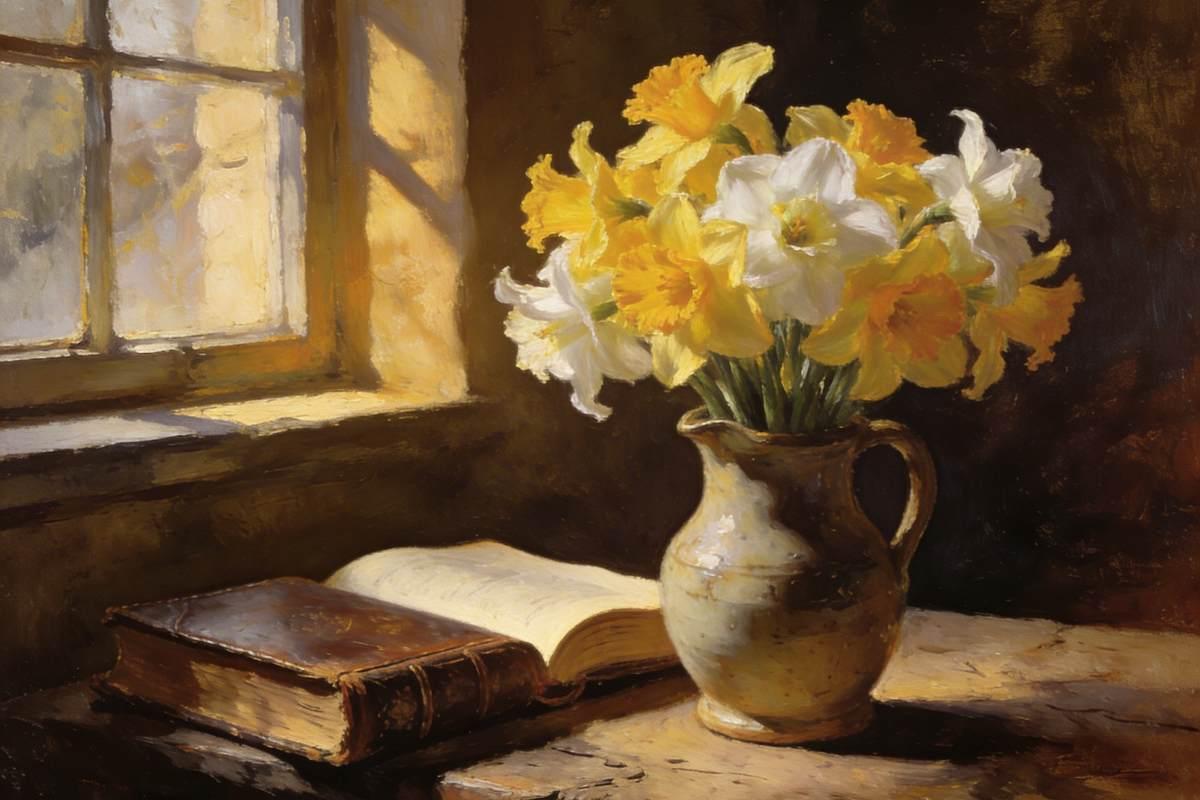
Quick Reference: March Birth Flowers at a Glance
March has two birth flowers, both from the Narcissus genus, each with distinct characteristics and uses.
Daffodil — symbolism: rebirth, new beginnings, hope, and joy. Care: full sun to partial shade, well-draining fertile soil, plant bulbs in autumn. Hardy across many temperate USDA zones. Daffodils symbolize rebirth, new beginnings, and joy.
Jonquil (Narcissus jonquilla) — symbolism: love, desire, affection, and renewal. Care: full sun to partial shade, well-draining fertile soil, prefers milder climates. Hardy in USDA zones 4–9. Jonquils carry an intense sweet scent and are often associated with love and desire.
Both flowers bloom in spring, naturalise well in gardens, and make excellent cut flowers for bouquets and floral arrangements.
Final Notes on March Birth Flowers
Both the daffodil and jonquil suit March births: daffodils for their bold colour and universal symbolism of renewal, jonquils for their intimate fragrance and romantic connotations. They are among the most meaningful birth flowers in the calendar, connecting people born in March to centuries of history, folklore, and garden tradition.
The daffodil's roots in Greek mythology, its role as a national emblem on St. David's Day, and its status as one of the first flowers of spring give it a cultural richness that few other flowers can match. The jonquil's Mediterranean heritage, its prized fragrance, and its association with love and good fortune make it an equally compelling choice.
Whether you choose one or both, these classic spring flowers carry special meanings that go far beyond the arrangement. March birth flower jewellery, tattoos, and planted bulb gifts offer lasting ways to celebrate the significance of these birth month flowers for years to come.


