

January Birth Flower: Carnation and Snowdrop Guide
January has two birth flowers: the carnation and the snowdrop. Both carry centuries of symbolism, and both suit January birthdays in different ways — carnations for their colour, warmth and longevity, snowdrops for their quiet resilience and early spring beauty.
This guide covers the history, meanings, colours, growing tips, gifting ideas and cultural folklore behind both January birth month flowers. Whether you are choosing a birthday gift, planning a tattoo, or simply curious about the flowers that represent the coldest month of the year, this is the definitive resource.
What Are January's Birth Flowers?
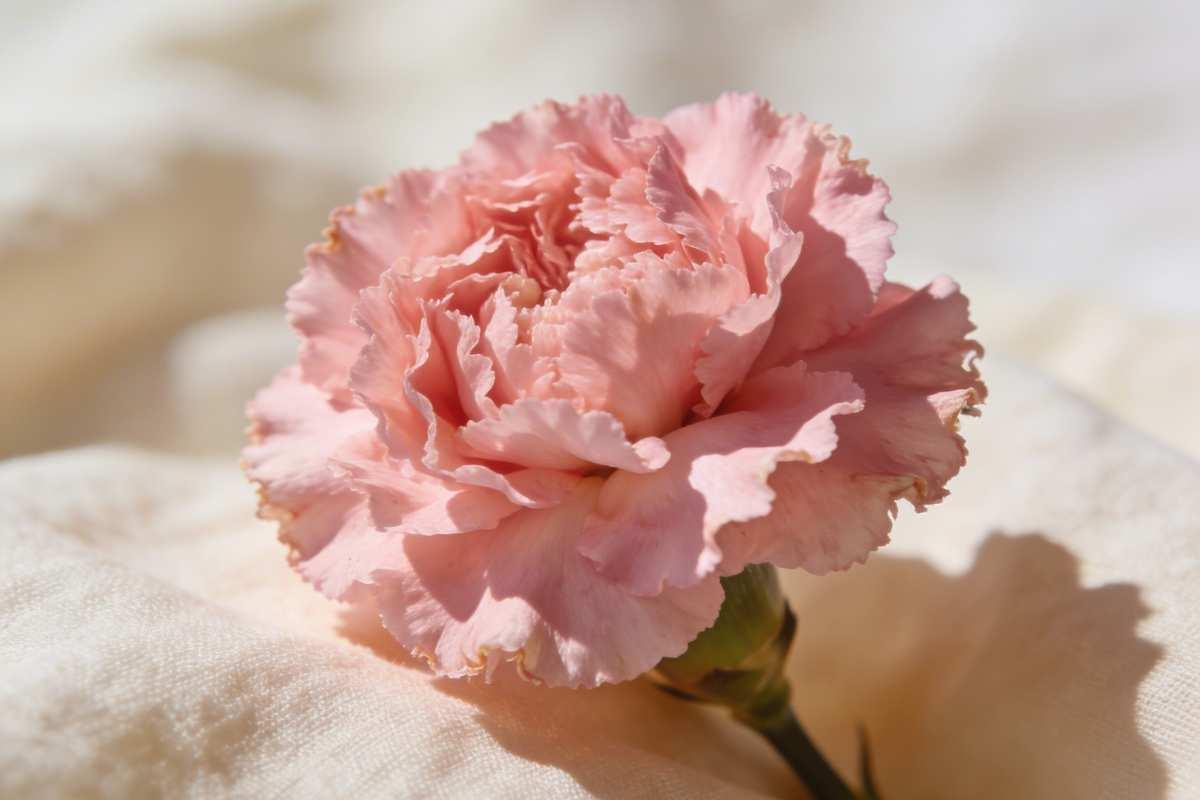
The traditional January birth flowers are the carnation (Dianthus caryophyllus) and the snowdrop (Galanthus nivalis). Many modern lists assign two birth month flowers to January because of regional bloom differences and historical traditions.
People born in January share these two flowers as their birth month symbols — one cultivated and colourful, the other wild and delicate.
Why January Has Two Birth Month Flowers
The tradition of assigning birth flowers dates back to the Romans, who decorated altars and ceremonies with seasonal blooms. Over centuries, different cultures attached their own flowers to various months, resulting in multiple flowers being associated with each month.
Roman and Victorian-era practices produced multiple birth month flowers for several months, including January. Regional availability made carnations practical in warm greenhouses while snowdrops signaled early spring in colder climates.
Having two birth flowers per month allows people to choose the flower that they feel a stronger connection with or prefer based on appearance, meaning, or symbolism. The inclusion of two birth flowers per month enriches the tradition and offers greater flexibility, personalisation, and variety for those who enjoy connecting with the symbolism and meanings associated with birth flowers.
Dual flowers broaden symbolic options for January birthdays, from devotion to hope and renewal.
Carnation — January Birth Flower History and Colours
Carnation History
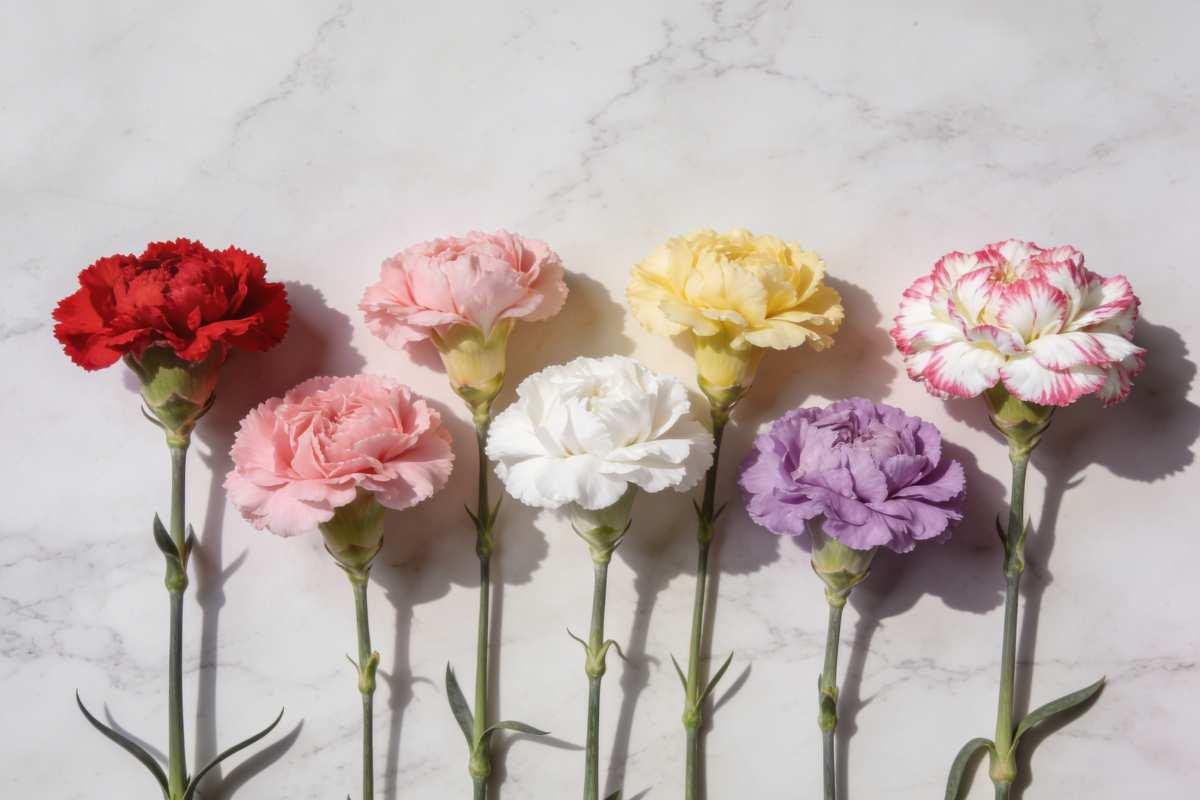
Carnations are native to the Mediterranean region and have been cultivated for centuries for their ornamental and symbolic properties. The ancient Greeks used carnations in garlands and ceremonial wreaths, and Greek botanist Theophrastus was among the first to document the flower.
The botanical name Dianthus derives from Greek meaning "flower of the gods," reflecting ancient ceremonial uses. The name "carnation" is believed to be derived from the Latin word "carnis," meaning "flesh," or from "corona," meaning "crown," due to its use in Greek coronations.
By Roman times, carnations were widely used in religious and civic ceremonies. By the Victorian era, the language of flowers had formalised specific meanings for each carnation colour.
The carnation's history dates back over two thousand years across Europe and Asia Minor, making it one of the most historically significant popular flowers in the world.
Carnation Meanings and Symbolism
Carnations symbolize love, fascination, and distinction, with meanings historically shifting by colour. The practice of using flowers to convey messages and emotions has been a part of human culture for centuries, with different flowers representing different sentiments.
Pink carnations are traditionally linked to a mother's love. In Christianity, carnations are associated with the Virgin Mary, with legends suggesting that the first carnations bloomed from Mary's tears as she cried for Jesus at the foot of the cross. This connection to Mother's Day traditions persists today.
Red carnations symbolize deep love and deep affection, while lighter red ones convey admiration, friendship, and warmth. White carnations represent pure love, innocence, and remembrance. In some traditions, white carnations represent death and are used in funeral tributes.
Carnations are a versatile and meaningful flower, making them suitable for special occasions from birthdays to weddings and anniversaries.
Carnation Colours
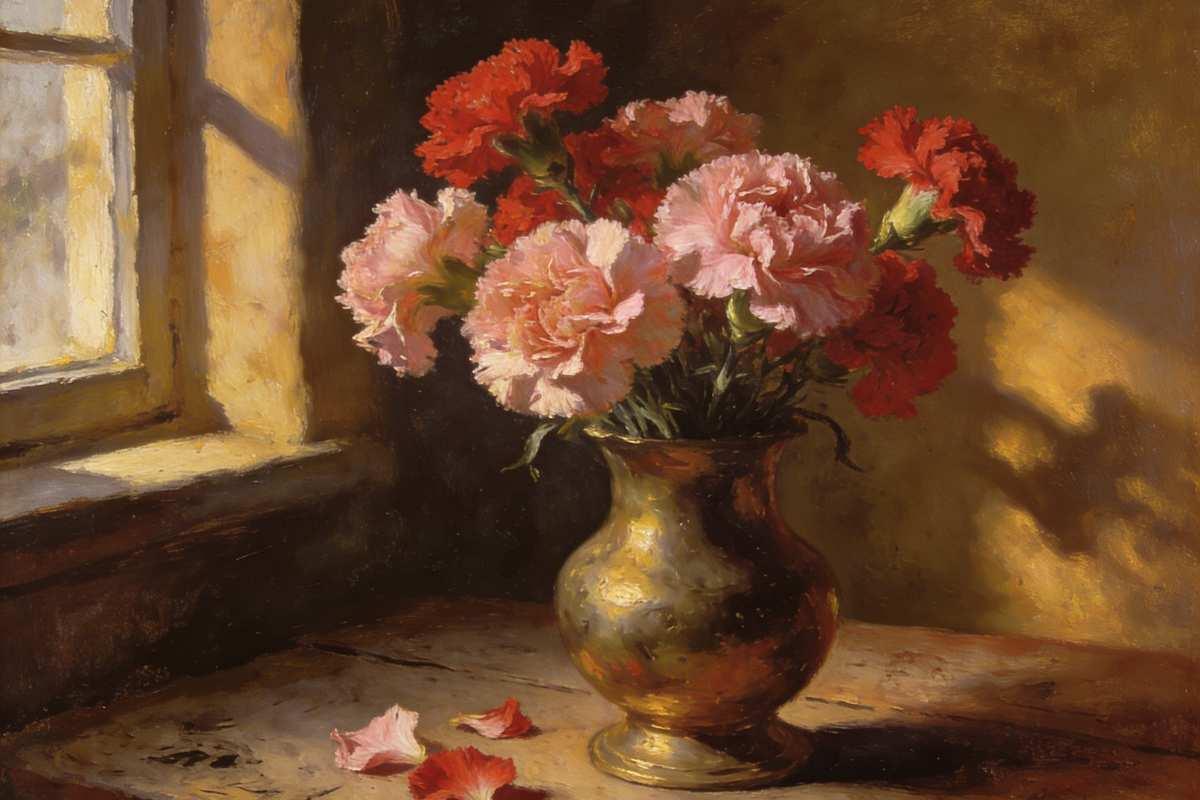
Breeders produce red, pink, white, yellow, purple, green, and bi-colour carnations, each carrying distinct symbolic connotations. The first commercially engineered flower varieties expanded available carnation colors, including mauve and purple tones.
Carnations are known for their bright colors and spicy-sweet scent — the fragrance is sometimes described as reminiscent of spice wine, warm and complex.
The many colours available make carnations one of the most versatile flowers for bouquets, arrangements, and personal expression. Carnation colors allow the giver to fine-tune their message with precision.
Carnations in the Garden and for Gifts
Carnations are herbaceous perennial plants that prefer full sun and well-draining, fertile soil. They can bloom in cool weather, assuming temperatures remain above freezing. In milder climates, some varieties bloom year-round, though the primary blooming season is late spring and summer.
Carnations can be grown as annuals or perennials, depending on the climate. They are intolerant of high heat and might be a poor choice for a southern garden.
As cut flowers, carnations have exceptional vase life — often lasting over a week with proper care. This longevity makes them a practical and popular choice for floral arrangements and January birthday bouquets.
In European herbal medicine, carnations were traditionally prescribed to treat fevers, and carnation essential oil was used in various medicinal preparations. Some historical texts reference carnation-based remedies for nervous disorders and to treat coronary conditions, though these uses are not supported by modern medicine.
Snowdrop — Early Spring Bloomer and January Birth Flower
Snowdrop History
Snowdrops are native to Europe and western Asia and were cultivated in Europe by at least the 16th century. Monastic gardens and Victorian collectors popularised snowdrops across Britain and northern Europe during the Elizabethan era and beyond.
The snowdrop's genus name, Galanthus, is derived from the Greek words "gala" (milk) and "anthos" (flower), referencing the flower's pure white petals. The scientific name for snowdrops is Galanthus nivalis, which means "milk flower of the snow."
Snowdrop Meanings and Symbolism
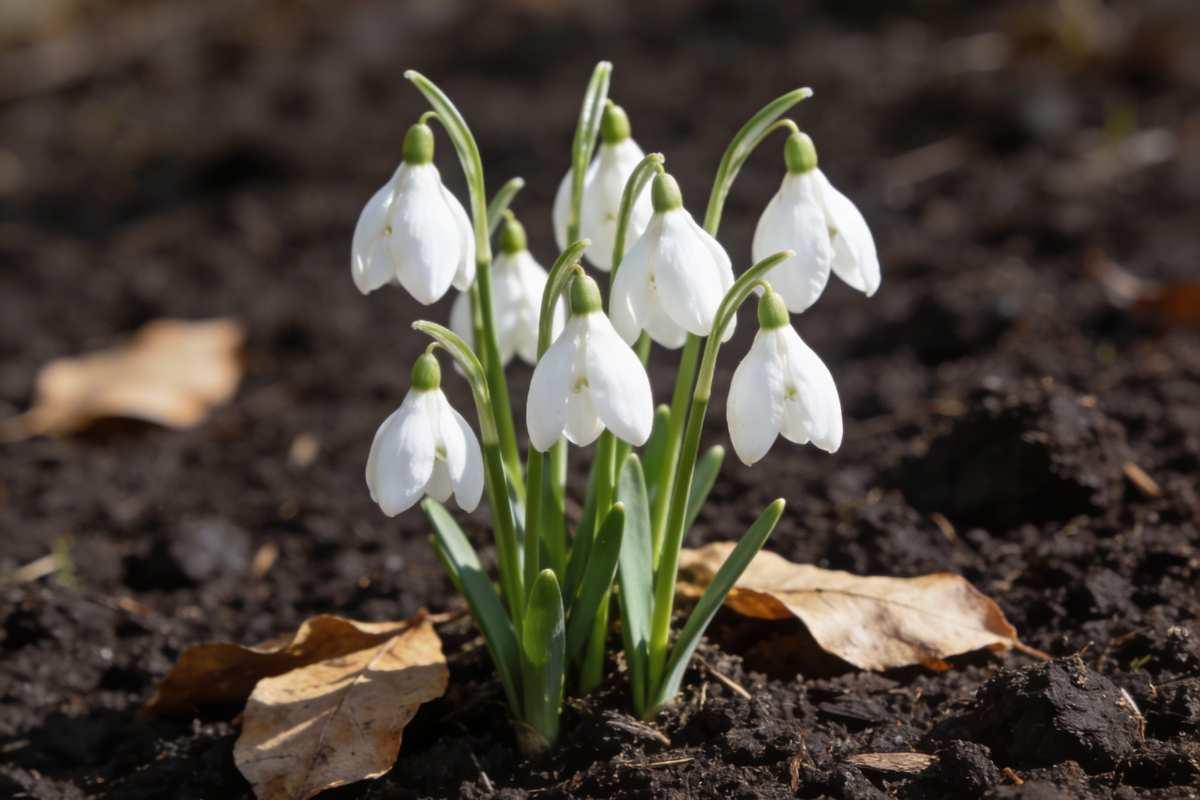
Snowdrops symbolize hope, purity, and the end of winter because they bloom while snow still lies on the ground. They are among the first flowers to bloom in late winter or early spring, often emerging through the snow — a powerful symbol of new beginnings.
Snowdrops are often associated with purity and innocence due to their delicate white blooms. In folklore, snowdrops were considered a symbol of bad luck if brought indoors, as they were believed to represent death due to their white colour and association with graveyards.
Despite this superstition, snowdrops are widely regarded as a universal symbol of hope, resilience, and fresh beginnings — the first sign that the cold winter months are ending and early spring is near.
Snowdrops represent hope and consolation, making them meaningful flowers for both celebration and sympathy.
Snowdrops in the Garden and Early Spring Role
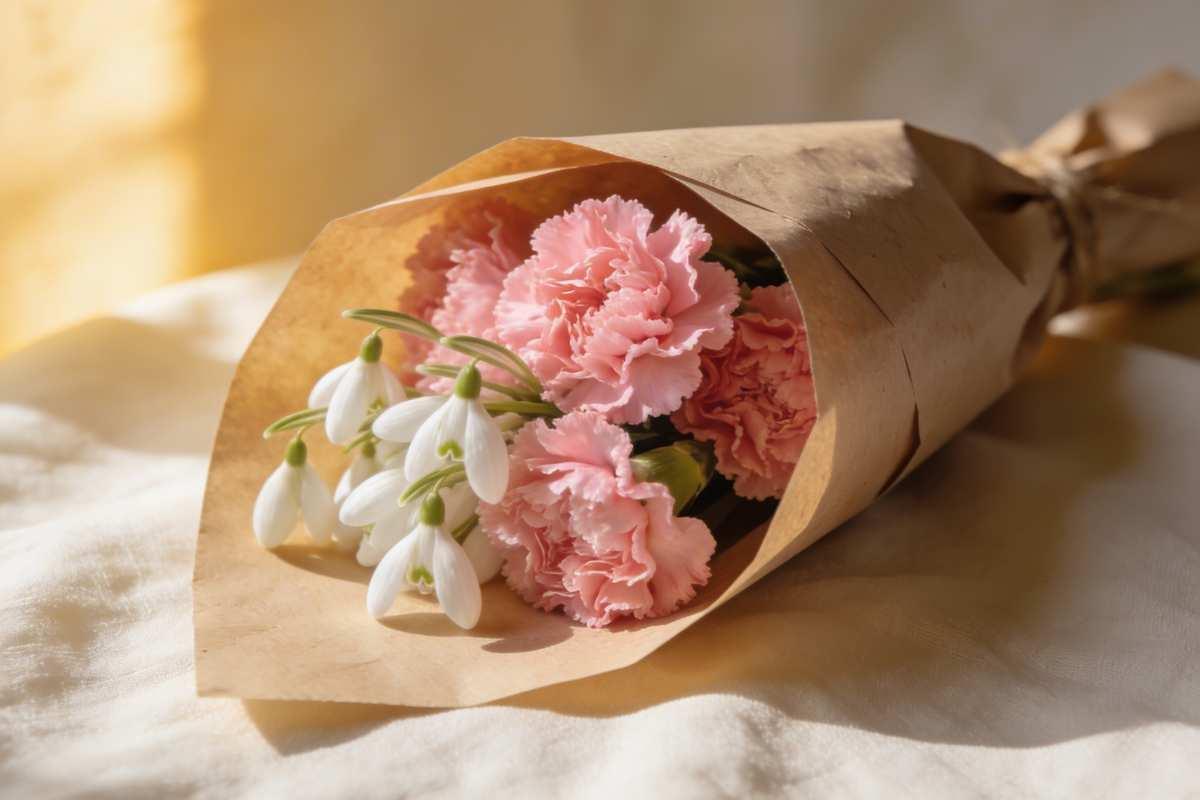
Snowdrops are among the earliest spring bulbs, often flowering in late January or early February in temperate zones. They bloom from January through March and have a delicate beauty and a subtle fragrance.
Snowdrops are small, bulbous perennials that grow in clumps and reach heights of 3-6 inches. They naturalise in woodlands and under trees, preferring humus-rich, well-drained soil and partial shade. Snowdrops should be planted early in the fall after the soil has cooled.
They are hardy and can return each year if winter low temperatures reach at least 20°F but no colder than -30°F. Snowdrop seeds are attractive to ants, which help disperse the seeds across landscapes.
Snowdrops are commonly used in woodland gardens, rock gardens, or naturalised in lawns. They are best suited for areas near walks, pathways, or elevated gardens and look best when planted in clusters.
Carnation and the Snowdrop — Compared for January Birthdays
Carnations and snowdrops are the two birth flowers for January, and choosing between them depends on the occasion, the recipient, and the message you want to send.
Carnations offer longevity and colour variety, making them practical for bouquets and long-lasting birthday arrangements. They are widely sold year-round and available in many colours, making them easy to source for any January birthday celebration.
Snowdrops deliver strong seasonal symbolism and are best gifted as potted plants or bulb gifts rather than cut stems. Snowdrops are not commonly found in commercial bouquets due to their fragility and short vase life.
Both carnations and snowdrops symbolize resilience and hope, making them fitting for January birthdays. Carnations emphasise love and devotion; snowdrops emphasise resilience, hope, and early spring renewal.
Both flowers can be used to express a range of emotions, from celebration to sympathy.
Carnations and Snowdrops in Folklore and Culture
Christian legends connect pink carnations to the Virgin Mary and maternal affection in religious art. The association between carnations and Mother's Day was cemented in the early twentieth century.
Victorian-era beliefs alternately revered and feared snowdrops, linking them to both hope and mourning. In Victorian times, snowdrops were linked to stories of consolation and new beginnings, but some superstitions discouraged bringing them indoors.
Political and labour movements have used carnations as public symbols, notably red carnations in various historical protests. Red carnations became associated with International Workers Day and have served as symbols of solidarity in Portugal's Carnation Revolution and other movements.
Carnations and snowdrops are two of the very few flowers that thrive in winter, making them fitting symbols for January birthdays.
Gift Ideas for a January Birthday
Choosing between carnations and snowdrops can depend on the recipient's preferences for colour and symbolism. Here are practical gifting ideas for a January birth celebration:
Use mixed bouquets pairing white carnations with snowdrop-toned greens for symbolic January birthday arrangements. Both carnations and snowdrops symbolize love and rebirth, making them great gifts for friends, family, and oneself.
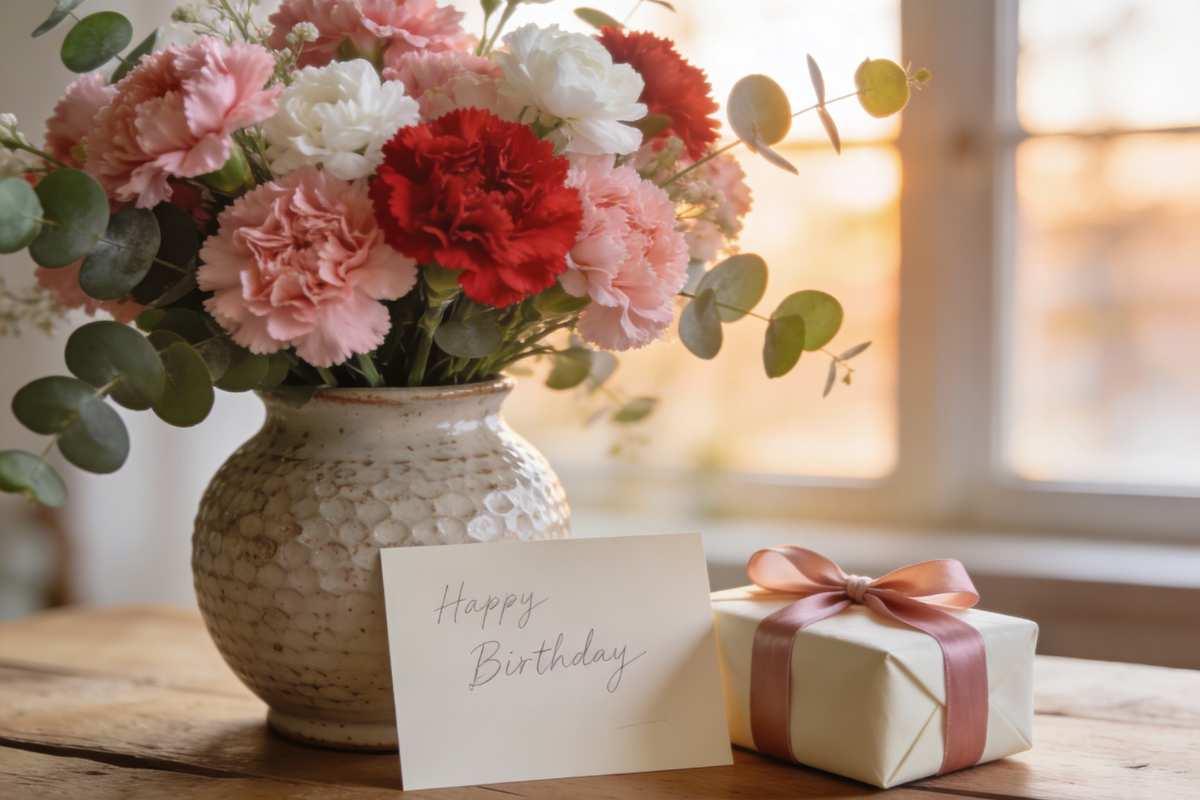
Select carnations by colour to match your message: deep red for romantic devotion, pink for maternal affection, white for innocence and pure love. Carnations are available in a wide range of colours, each conveying different meanings.
Gift live potted snowdrops for collectors or recipients who value early spring symbolism and long-term plants. Attaching a handwritten note explaining the symbolism behind the flowers adds a personal touch to gifts.
Consider pairing a carnation bouquet with a small bulb pack for recipients who enjoy gardening and January birthdays. Both carnations and snowdrops can be used to create stylish home décor, adding warmth and life to indoor spaces during January.
If you are looking for professionally arranged January birthday flowers, Fabulous Flowers & Gifts offers hand-crafted bouquets featuring seasonal blooms with same-day delivery. For a more modern, relaxed approach to flower gifting, Flower Guy delivers premium flowers with zero fuss.
Birth Month Flowers: Variations, Origins, and How to Choose
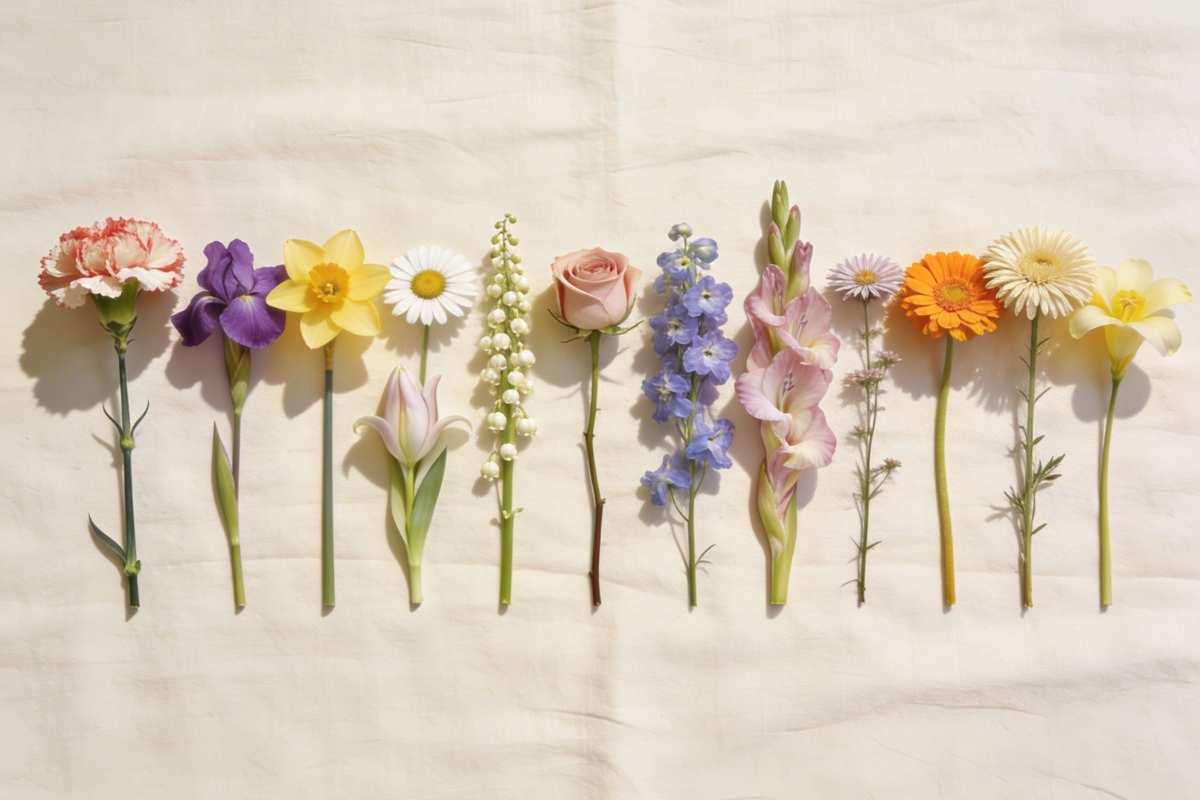
Birth month flower lists vary by country; consult regional traditions when choosing a culturally appropriate January birth flower. Historical origins trace to Roman ceremonial uses and Victorian floral symbolism that shaped modern birth flower assignments.
Choosing between the two often depends on availability, recipient preference for potted versus cut flowers, and the symbolic message you want to convey. The rich history behind birth flowers makes them a thoughtful gift choice that goes beyond simple aesthetics.
January Birth Flowers and Zodiac Connections
Capricorn (Dec 22–Jan 19) traits of persistence and loyalty often pair well with durable, long-lasting carnations. The carnation's association with deep love and devotion mirrors Capricorn's steadfast nature.
Aquarius (Jan 20–Feb 18) associations with independence and originality align with the snowdrop's unexpected early spring appearance. A January baby born under Aquarius may feel a stronger connection to the snowdrop's symbolism of fresh start and new beginnings.
Final Notes on January Birth Flowers
Both the carnation and snowdrop suit January births: carnations for colour and longevity, snowdrops for early spring symbolism. They are among the most meaningful birth flowers in the calendar, connecting people born in January to centuries of history, folklore, and garden tradition.
Combining both flowers in gifts is a meaningful option that blends devotion with hope for a January birthday recipient. Whether you choose one or both, these classic flowers carry a special meaning that goes far beyond the arrangement.
January birth flower jewellery can also be personalised to celebrate the significance of these birth flowers, serving as a meaningful gift for birthdays or as a personal keepsake.
Carnations are popular flowers with a rich history in various cultures, and snowdrops remain one of the most beloved early spring garden flowers in the world.


