

February Birth Flower: Violets, Primroses, and February Flowers Explained
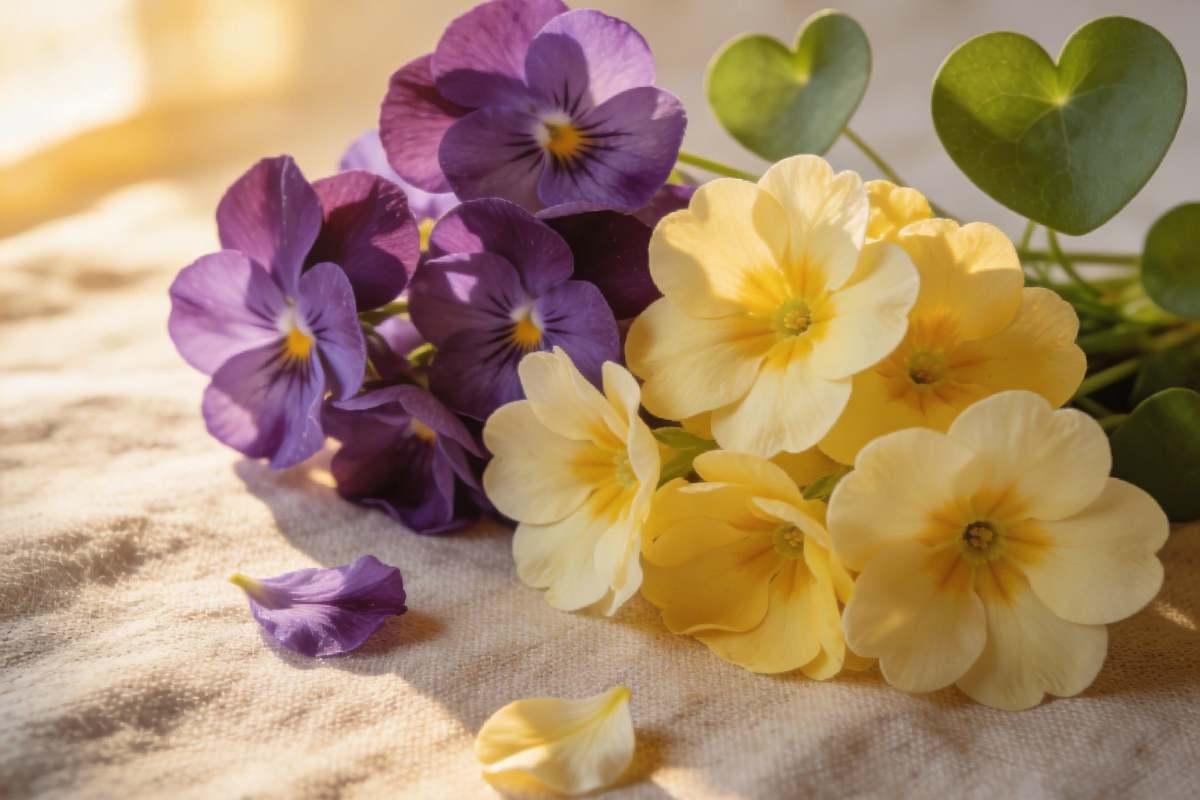
February has two birth flowers: the violet and the primrose. Both bloom in late winter and early spring, carrying centuries of symbolism rooted in loyalty, youth, and renewal. These delicate flowers reflect the transitional nature of February itself — the last stretch of winter giving way to the earliest signs of spring.
This guide covers the history, meanings, colours, growing tips, tattoo ideas, zodiac connections, and gifting advice for both February birth month flowers. Whether you are choosing a meaningful bouquet for a February birthday, planning a February birth flower tattoo, or simply curious about the flowers that represent this month, this is the definitive resource.
What Are February Birth Flowers?
Violets and primroses are the historically recognised February birth month flowers in Western floral calendars. The tradition of assigning birth flowers to each month dates back to Roman times, when seasonal blooms were used to decorate altars and mark celebrations throughout the year.
Some contemporary sources add the iris or snowdrop as alternate February flowers based on regional availability and cultural naming traditions. The presence of multiple birth flowers for February reflects seasonality and varied historical practices across different parts of the world.
Both violets and primroses have been cultivated and admired since ancient times for their beauty and symbolism. People born in February share these two flowers as their birth month symbols — one known for vibrant colors and sweet fragrance, the other for its early bloom and promise of warmer days ahead.
February Birth Month Flowers and Early Spring Context
February flowers bloom early, often signaling the start of early spring in temperate climates. Cold tolerance and short-day flowering patterns distinguish many February-blooming species from later-season flowers, making them some of the earliest flowers to appear each year.
Availability for florists varies by region and greenhouse production, affecting which February birth flowers are sold fresh. In the Northern Hemisphere, both violets and primroses are native to temperate regions and thrive in the cool, damp conditions that characterise late winter and early spring.
The fact that these delicate petals push through cold soil while much of the garden still sleeps makes them powerful symbols of resilience, hope, and new beginnings.
Violet: The Classic February Birth Flower
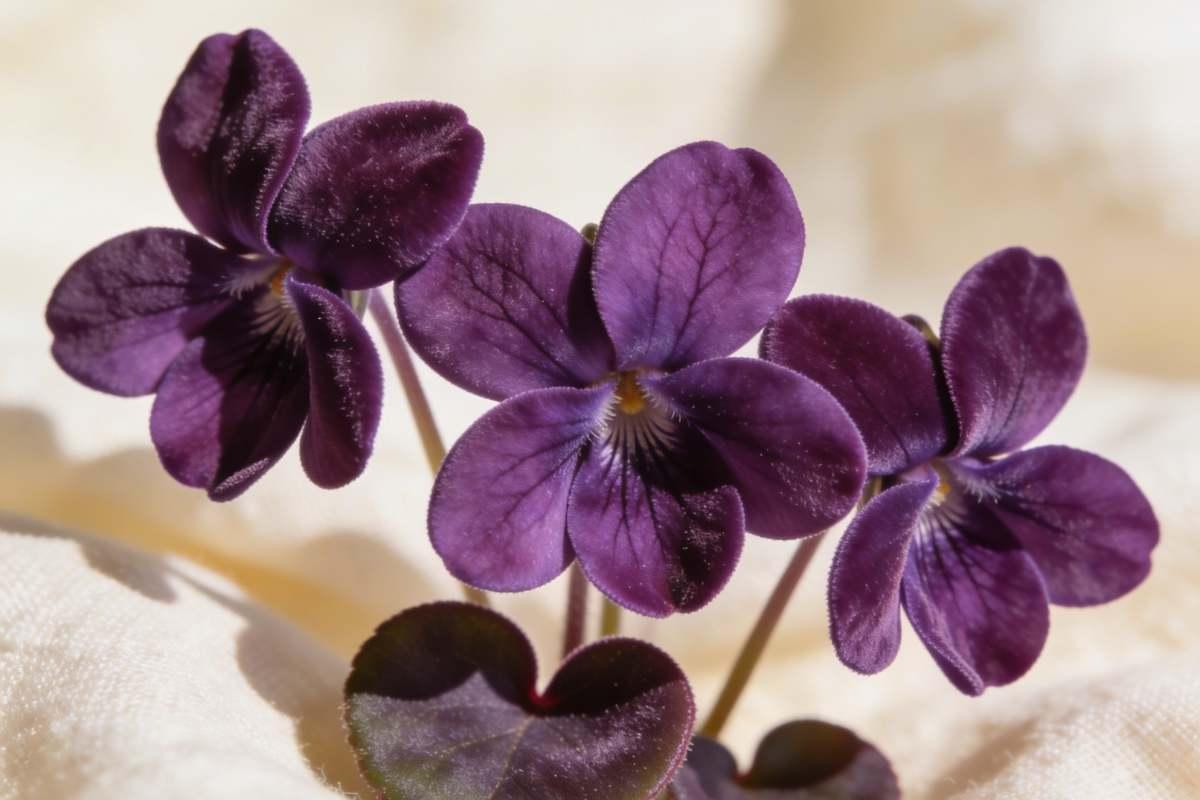
The violet is the primary February birth flower and one of the most beloved small flowers in gardening and floral tradition. Violets are known for their vibrant colors and sweet fragrance, and they have played a role in culinary dishes, perfumes, and potpourris for centuries.
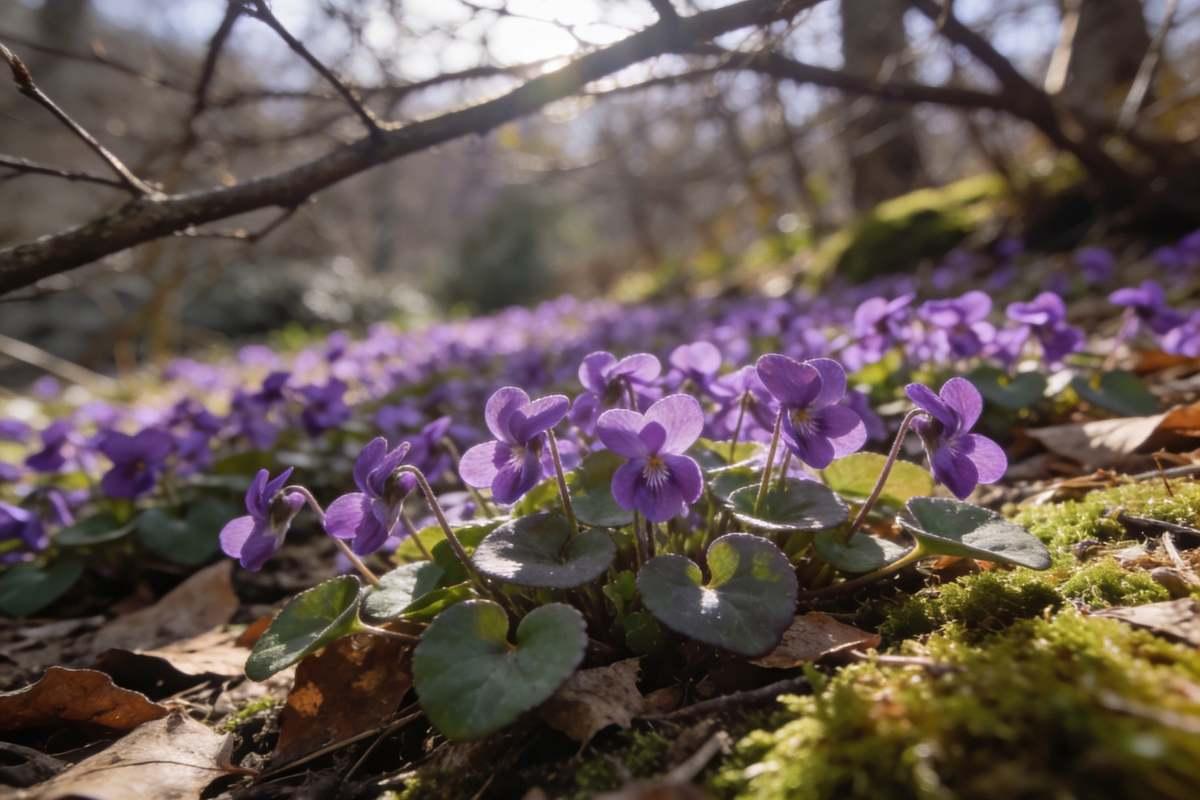
Violets are native to temperate regions in the Northern Hemisphere, with species found across Europe, Asia, and North America. Their heart shaped leaves and five petals make them instantly recognisable in gardens, woodlands, and wild meadows.
Violet Meanings and Symbolism
Violets symbolize modesty, faithfulness, everlasting love, innocence, and remembrance. These symbolic meanings have deep roots in Victorian flower language, where flowers were used to convey messages and emotions that could not be spoken aloud.
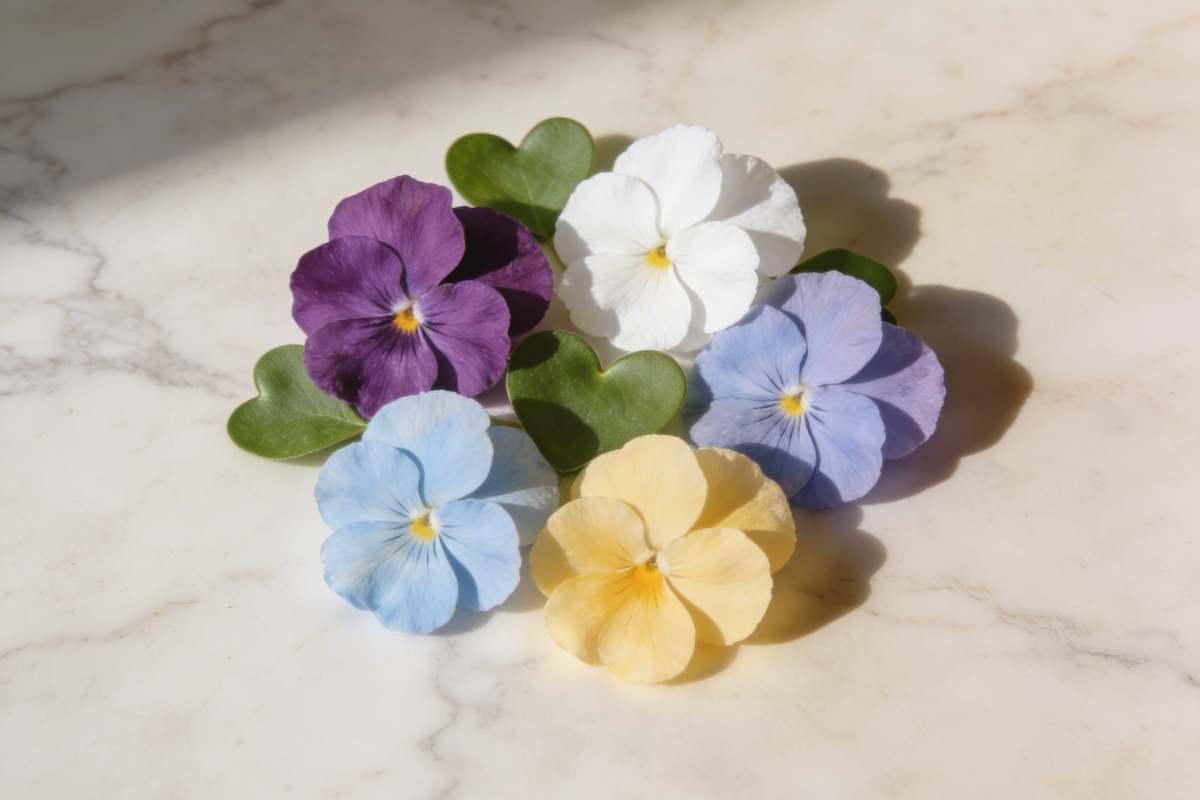
Different violet colors carry distinct meanings. Purple violets represent loyalty and deep devotion, making them a fitting choice for expressing steadfast love. White violets symbolize innocence and purity, while yellow violets convey joy and happiness. Deep purple varieties carry an additional layer of spiritual wisdom and hidden depths.
In Christianity, the violet flower symbolizes the Virgin Mary's humility. The ancient Greeks considered the violet a symbol of fertility and love, using it in love potions and ceremonial garlands. In the Victorian era, violets were symbolic of humility and fortune, making them a popular token of romantic symbolism and private devotion.
Violets symbolize loyalty, faithfulness, and modesty, making them a meaningful gift choice for anyone born in February.
Violet History and Cultural Uses
Ancient Greeks and Romans used violets in culinary, medicinal, and ceremonial contexts. The Greeks believed violets had medicinal properties and used them in herbal remedies to treat headaches, insomnia, and skin conditions. Some historical sources note that violets contain salicylic acid, a compound related to aspirin.
Violets appear in Renaissance and Victorian art as symbols of humility and spiritual modesty. Shakespeare referenced violets in several plays, most notably in A Midsummer Night's Dream, where the flower represents faithfulness and constancy in love.
Several U.S. states adopted violets as state flowers, reflecting their regional cultural importance. In many cultures around the world, violets have served as symbols of remembrance, devotion, and the arrival of spring after the dark winter months.
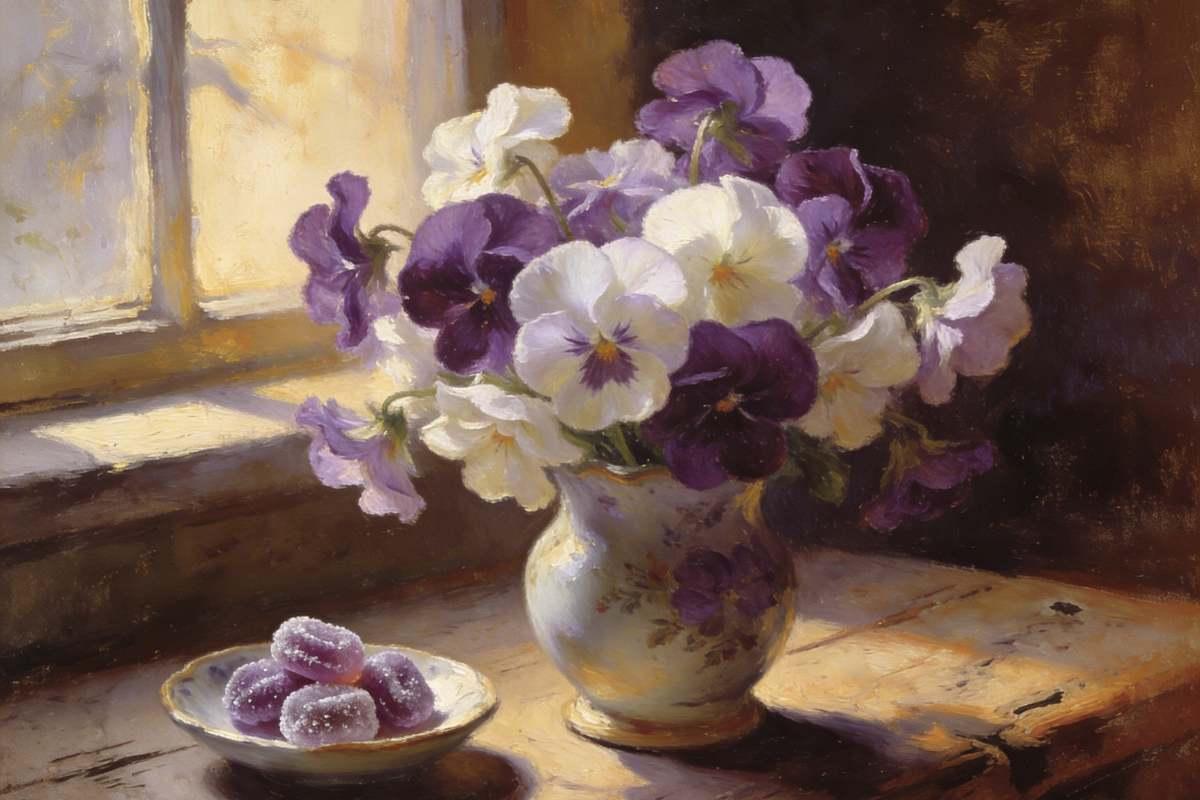
Violets are often used in culinary dishes, perfumes, and potpourris. Candied violets remain a popular decoration for cakes and desserts in European patisserie, and violet-infused syrups and teas have been enjoyed since the Middle Ages.
Growing Violets and Garden Tips
Most wild and cultivated violets prefer partial shade and moist, well-draining, humus-rich soil. Violets prefer cool temperatures, around 60–70°F (15–21°C), and need consistent moisture but should not be overwatered.
Violets grow best in partial shade to full sun and are hardy in USDA zones 3–9, depending on the species. They naturalise easily in lawns, borders, and woodland gardens, spreading through both seeds and runners to form attractive ground cover.
Mulching and consistent moisture help blooms persist through variable early spring conditions. Violets attract specialist pollinators like mining bees, supporting local insect biodiversity and contributing to a healthy garden ecosystem.
Violets can be grown indoors in pots or as ground cover in gardens. For container culture, place them on cool, bright windowsills with indirect light. They also perform beautifully in rock gardens and along shaded pathways.
Primrose: The Other February Birth Flower
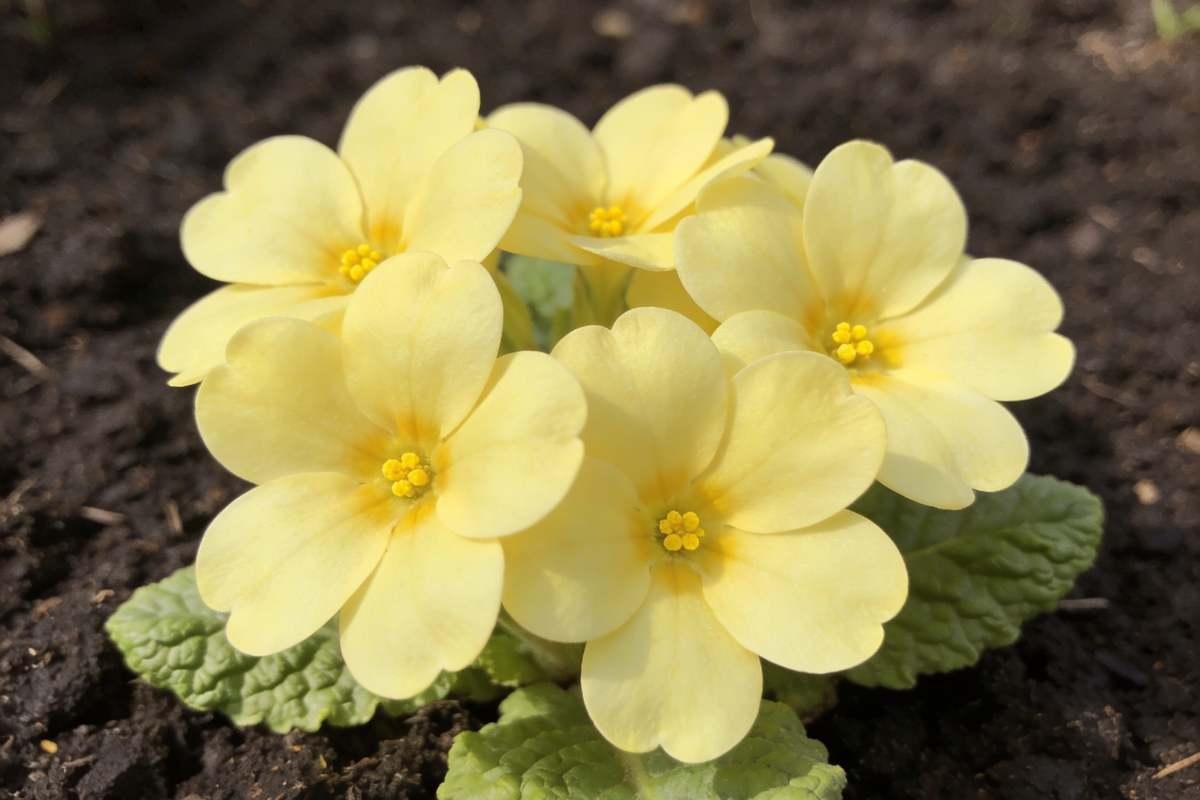
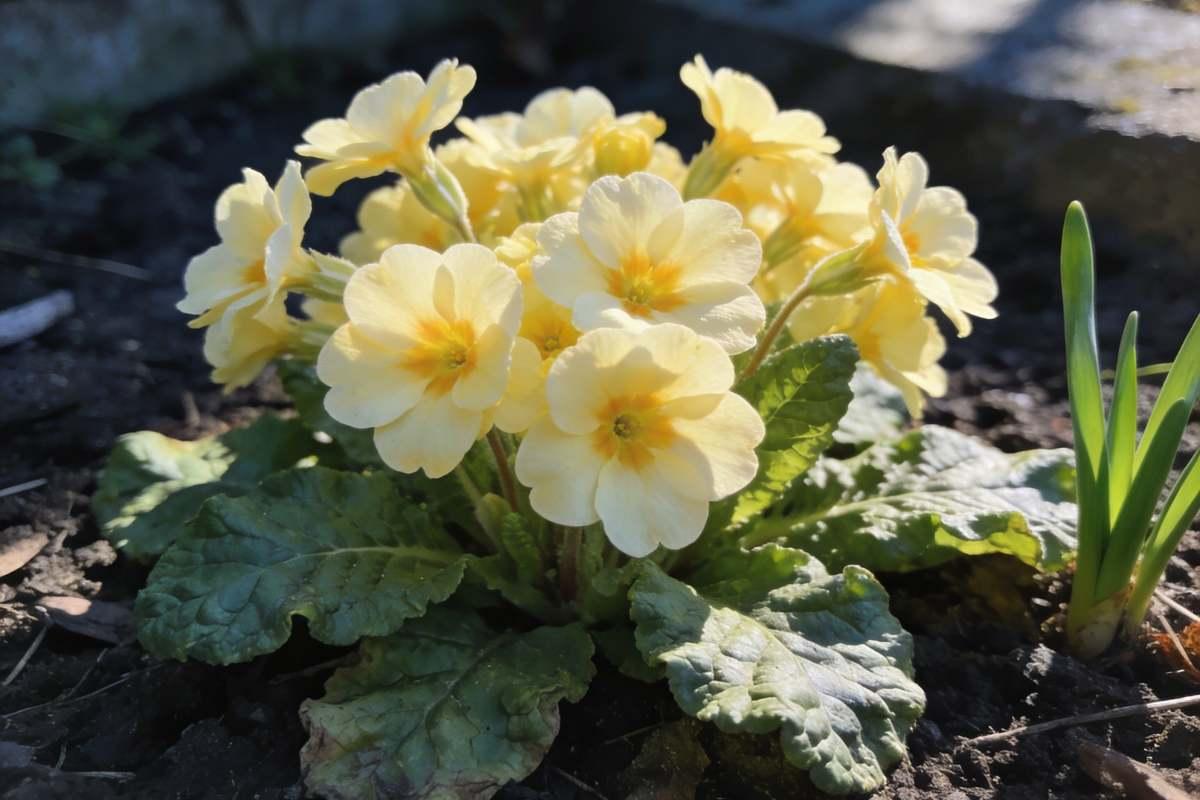
The primrose is the second February birth flower and one of the first flowers to bloom each year. Primroses are known for their early bloom, often appearing in late winter or early spring when few other flowers are visible.
The name "primrose" comes from the Latin words "prima rosa," meaning "first rose" — a fitting name for a flower that heralds the arrival of spring. The genus name Primula derives from Latin primus, further emphasising its status as an early spring flower.
Primrose Symbolism and Meaning
Primroses symbolize youth, renewal, and unconditional love due to their early blooming habit. In the Victorian era, primroses represented young love and devotion, often used to convey tender romantic sentiment in the language of flowers.
Primroses are often associated with the arrival of spring and the renewal of life. Their bright, cheerful blooms emerging from cold soil symbolize fresh starts and the promise of warmer days ahead, making them ideal for celebrating new beginnings.
In folklore, primroses are associated with protection, fairy lore, and seasonal rites in northern Europe. In English folklore, primroses were believed to open the door to fairy realms, and in Irish folklore, they were placed on doorsteps to ward off evil spirits and protect the household.
Primrose Day, celebrated in the United Kingdom, honours the memory of Benjamin Disraeli and reflects the flower's cultural significance in British tradition.
Primrose History and Uses
Primroses have historic uses in herbal remedies, culinary garnishes, and traditional folk medicine. In the Middle Ages, primrose tea was a common remedy for headaches and joint pain, and the flowers were used in salads and desserts.
Primroses can be used in salads, desserts, or herbal teas. Some primula species are edible for humans, though certain varieties can be toxic to pets — an important consideration for households with animals.
The primrose path is a well-known literary metaphor, appearing in Shakespeare and other classic works to describe a seemingly easy or pleasant route. This cultural reference has kept the primrose prominent in English literature and language for centuries.
Growing Primroses and Care Tips
Primroses thrive in cool, shaded areas with consistently moist, well-draining soil rich in organic matter. They prefer cool temperatures between 50–65°F (10–18°C) and perform best in partial shade, making them well suited to north-facing beds and sheltered garden corners.
Avoid planting primrose crowns too deep — shallow roots and rosette foliage prefer surface-level mulching. Primroses need consistent moisture but should not be overwatered, as waterlogged soil can lead to root rot.
They perform well in containers and shaded borders and are suitable for transplanting after the last frosts. Primroses are hardy in USDA zones 3–8, depending on the species, and can also be grown indoors as excellent potted plants.
Regular watering and protection from hot afternoon sun extend bloom longevity in warmer climates. For mixed containers, match plant light and moisture needs carefully — primroses prefer partial shade while some companion plants may require more sun.
Iris and Other Alternative February Flowers
The iris is sometimes listed as a February flower and symbolizes wisdom, hope, and faith in floral language. Irises offer a different aesthetic to violets and primroses, with tall stems and dramatic blooms that add height and structure to floral arrangements.
Snowdrops and hellebores are additional early-spring options often associated with late-winter birthdays. These alternatives differ botanically from violets and primroses and suit different climates and bouquet palettes, giving February-born individuals a wider range of birth flowers to identify with.
For mixed containers and garden beds, irises need full sun while violets and primroses prefer partial shade — plan your planting accordingly.
February Birth Flower Tattoo Ideas
Birth flower tattoos have become a popular way to honour a birthday month with lasting personal meaning. February birth flower tattoos featuring violets and primroses offer rich symbolism and delicate beauty in a range of styles.
Single-violet tattoos often represent loyalty and modesty, commonly inked on the wrist, ankle, or behind the ear. The five petals and heart shaped leaves of the violet lend themselves to both minimalist line work and detailed botanical illustration.
Small primrose designs convey renewal and youthful optimism, popular for delicate forearm placements. The rosette structure of primrose blooms creates an appealing symmetrical design that works well in fine-line and watercolour tattoo styles.
Combined violets-and-primroses tattoos blend loyalty and renewal symbolism for a layered personal meaning. Incorporating birthdates, initials, or zodiac motifs personalises February birth flower tattoos and makes them even more meaningful to the wearer.
February Aquarius Flower and Zodiac Connections
The zodiac flower commonly associated with Aquarius is the orchid, though February-born people may choose any February flowers that resonate with them personally. Aquarius traits of independence, idealism, and originality align well with the violet's association with faithfulness and hidden depths.
Irises and violets are often recommended for Aquarius and Pisces cusp birthdays due to symbolic resonance. A February baby born under Aquarius may feel drawn to the violet's quiet strength, while those born under Pisces may connect with the primrose's themes of emotional depth and renewal.
Flower choices for February birthdays can reflect zodiac traits like independence, idealism, or emotional depth — making the selection of a birth flower a deeply personal decision.
Gifting February Flowers for February Birthdays
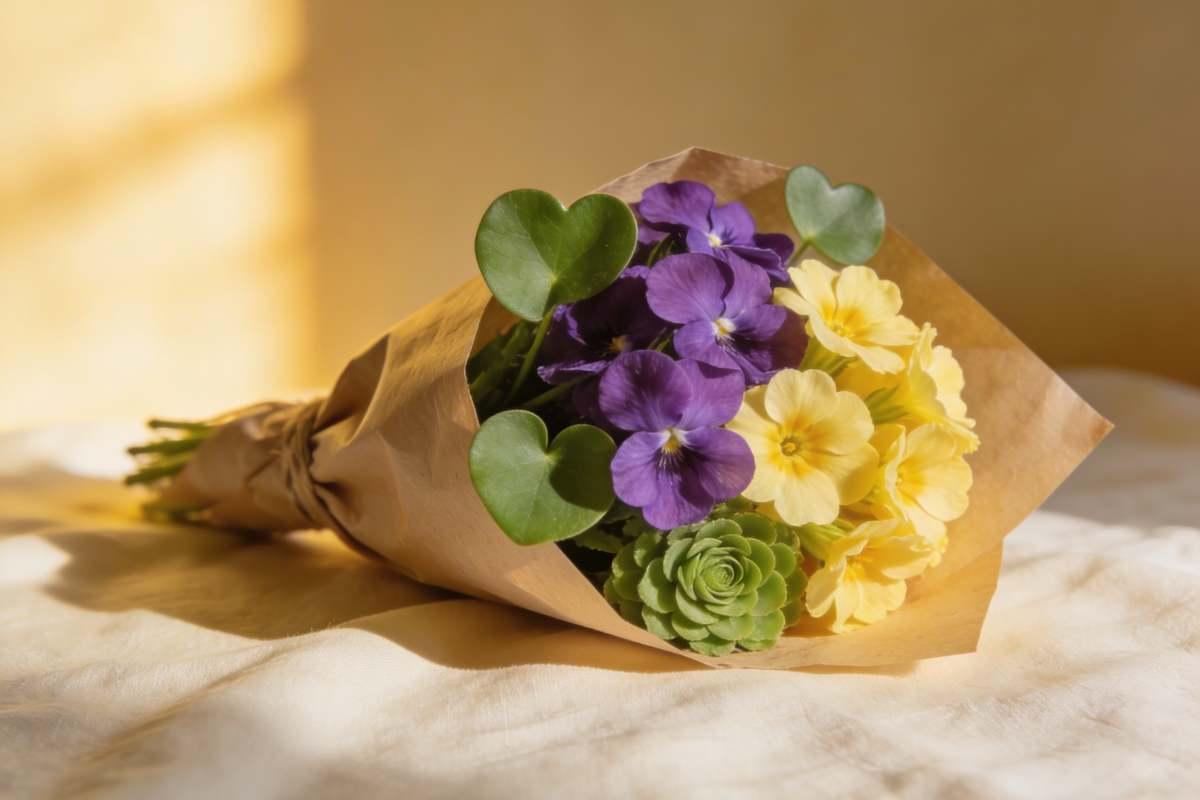
February birth flowers are often chosen for birthdays, anniversaries, and emotional milestones due to their rich symbolism. Combining violets, primroses, and irises in bouquets balances colour, texture, and layered symbolism for a truly meaningful arrangement.
Potted plants of violets or primroses make longer-lasting gifts than cut arrangements for February birthdays. A living plant continues to bloom and grow, serving as a lasting reminder of the occasion long after a cut bouquet would have faded.
Edible uses offer unique culinary gift options for special occasions — candied violets and primrose garnishes add an elegant, unexpected touch to birthday celebrations. Both flowers have a long history in culinary dishes and can be used to create memorable, personalised gifts.
Personalised touches such as handwritten notes or plantable seed cards can enhance the emotional impact of gifting February flowers. Attaching a note explaining the symbolism behind violets and primroses adds a personal touch that transforms a simple bouquet into a meaningful bouquet full of colour and significance.
If you are looking for professionally arranged February birthday flowers, Fabulous Flowers & Gifts offers hand-crafted bouquets featuring seasonal blooms with same-day delivery in Cape Town. For a more modern, relaxed approach to flower gifting, Flower Guy delivers premium flowers with zero fuss.
Can You Grow February Flowers at Home?
Violets and primroses adapt well to container culture on cool, bright windowsills with indirect light. Both flowers thrive indoors when given consistent moisture and protection from direct afternoon sun.
Microclimates determine success — sheltered, north-facing beds support early-spring bloomers better in warm regions. In cooler temperate regions, both violets and primroses naturalise readily in garden beds and return reliably each year.
Violets and primroses can be grown in containers at home, making them accessible even for those without garden space. A simple pot on a windowsill can bring the beauty and symbolism of February birth flowers into any home.
Quick Reference: February Birth Flowers at a Glance
The February birth flowers are violets and primroses, each with distinct characteristics and care requirements.
Violet — symbolism: modesty, loyalty, faithfulness, and everlasting love. Care: partial shade, moist soil, naturalises easily. Hardy in USDA zones 3–9. Violets symbolize loyalty, faithfulness, and modesty.
Primrose — symbolism: youth, renewal, and new beginnings. Care: cool shade, consistent moisture, shallow-rooted rosette habit. Hardy in USDA zones 3–8. Primroses symbolize youth, renewal, and unconditional love.
Iris (alternate) — symbolism: wisdom, hope, and faith. Care: full sun to part shade, well-drained soils. A dramatic alternative for those who prefer taller, more structured blooms.
Final Notes on February Birth Flowers
Both the violet and primrose suit February births: violets for their deep meaning and delicate beauty, primroses for their cheerful early bloom and promise of spring. They are among the most meaningful birth flowers in the calendar, connecting people born in February to centuries of history, folklore, and garden tradition.
Combining both flowers in gifts is a meaningful option that blends loyalty with renewal for a February birthday recipient. Whether you choose one or both, these classic flowers carry a special meaning that goes far beyond the arrangement.
February birth flower jewellery can also be personalised to celebrate the significance of these birth flowers, serving as a meaningful gift for birthdays or as a personal keepsake. Both violets and primroses are often used in floral arrangements to celebrate February birthdays, and their rich symbolism ensures they remain cherished choices for generations to come.


