

April Birth Flower: Daisy and Sweet Pea Meanings, Symbolism, and Care
April has two birth flowers — the daisy and the sweet pea. Each April birth flower carries its own symbolic meanings and common meanings rooted in centuries of tradition. This guide covers their varieties, blooming season, care, gifting ideas, and preservation tips for April birthdays.
What Are April Birth Flowers?
The daisy and the sweet pea are April's official birth flowers, reflecting spring renewal and floral variety. Multiple traditions assign two birth flowers to April, offering symbolic alternatives across different climates.
Daisies are native to Europe and Asia but have been naturalised in many other parts of the world. Sweet peas are native to the eastern Mediterranean region, particularly Italy, Greece, and Turkey.
Together, these two birth flowers give April-born individuals a choice between cheerful innocence and delicate pleasure. Unlike other birth month flowers such as the water lily or morning glory, April's flowers hold a special place in spring gardens worldwide and open endless possibilities for gifting.
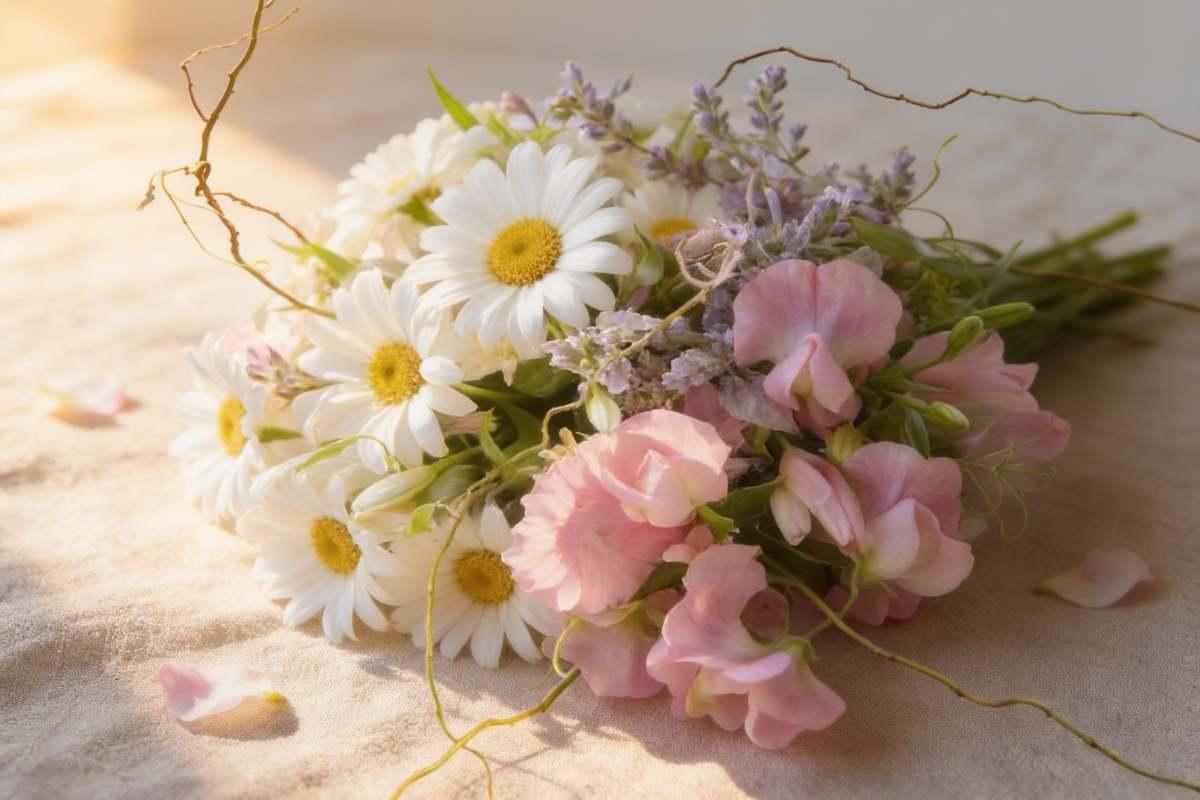
Why April Has Two Birth Flowers
Historical calendars and Victorian era floriography layered multiple flowers onto a single birth month for richer symbolism. According to the Farmer's Almanac and traditional birth flower charts, pairing a hardy daisy with a scented sweet pea covers availability across different climates and growing conditions.
Having two flowers broadens personal associations — from innocence and purity to blissful pleasure and gratitude. This dual designation also allows florists to create birthday bouquets suited to individual taste.
April's Primary Birth Flower: The Daisy
Daisies are known for their simple yet elegant and charming appearance. The daisy name originates from the Old English "daes eage," meaning "day's eye," because the flower opens at dawn and closes at dusk. Daisies have a rich history dating back to ancient times — the ancient Egyptians, Greeks, and Romans valued them for medicinal properties and beauty.
In Norse mythology, the daisy was dedicated to Freya, goddess of love and beauty, symbolising motherhood and new beginnings. Daisies were believed to bring good luck and protection during ancient times.
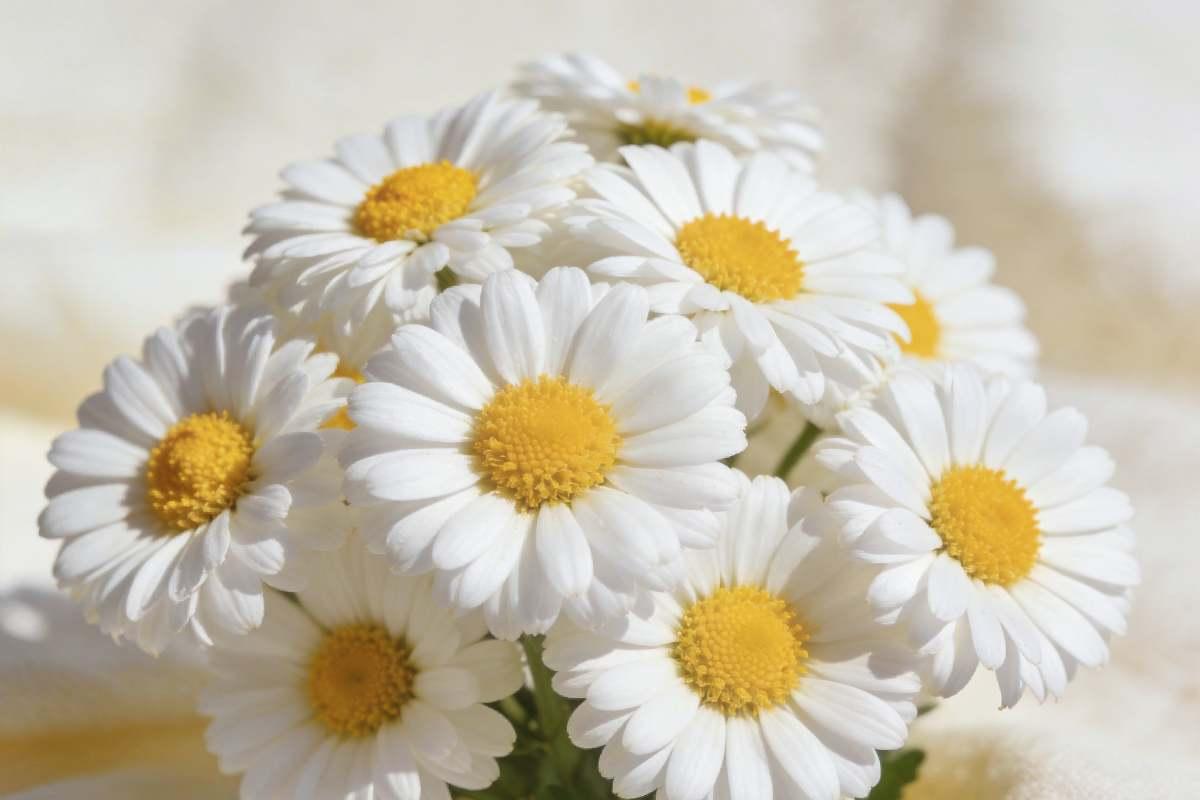
Daisy Varieties: English, Shasta, and Gerbera
The English daisy (Bellis perennis) is a low-growing perennial with tiny flowers featuring white petals and a yellow centre, commonly seen in lawns and rock gardens.
Shasta daisies and oxeye daisies are larger perennial species with delicate petals, used in borders and meadows.
Gerbera daisies are cultivated varieties in vibrant colours — soft pinks, purple, and bold shades — frequently used in bouquets and floral arrangements.
Daisy Meaning and Symbolism
Daisies symbolise innocence and purity, making them a symbol of childlike qualities and a sense of new beginnings across European folklore. In Victorian floriography, daisies conveyed loyal affection, true love, friendship, and uncomplicated beauty.
The daisy represents joy, fresh starts, and simple joys — qualities that resonate with many April-born individuals. Gifting daisies suggests straightforward warmth and optimism.
Daisy Blooming Season and Care
Most daisy species prefer full sun to partial shade and well-drained soil. Daisies typically bloom from early spring to late autumn, with April being a prime time for their blooming season.
Deadheading spent blooms extends the flowering season. Daisies tolerate moderate drought once established but perform best with consistent watering.
Apply balanced fertiliser in early spring. Monitor for crown rot in poorly drained soil.
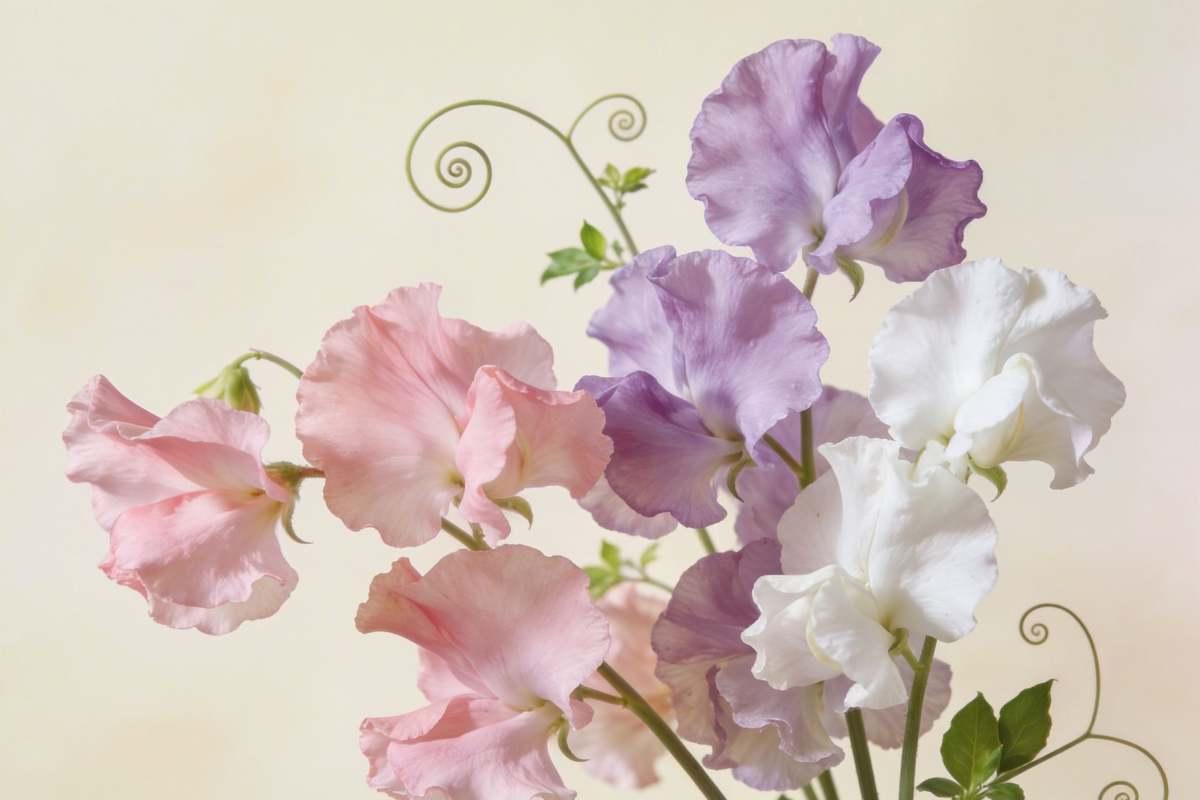
April's Secondary Birth Flower: The Sweet Pea
Sweet pea flowers (Lathyrus odoratus) are fragrant, climbing flowers known for their delicate, butterfly-like blooms and intoxicating fragrance. A Sicilian monk named Franciscus Cupani first sent seeds to England in the late 17th century.
Sweet peas became fashionable in England during the 19th century, cultivated for a variety of colours and forms. Today, cultivars range from compact annuals to vigorous climbers reaching up to 2.4 metres, suitable for trellises and garden arches.
Sweet Pea Meaning: Blissful Pleasure and Gratitude
Sweet peas symbolise blissful pleasure, gratitude, and friendly farewells in Victorian era and modern floriography. Their captivating fragrance made them a popular gift to express appreciation.
Sweet peas represent delicate pleasure and are often used to bid farewell or say thank you with sincerity.
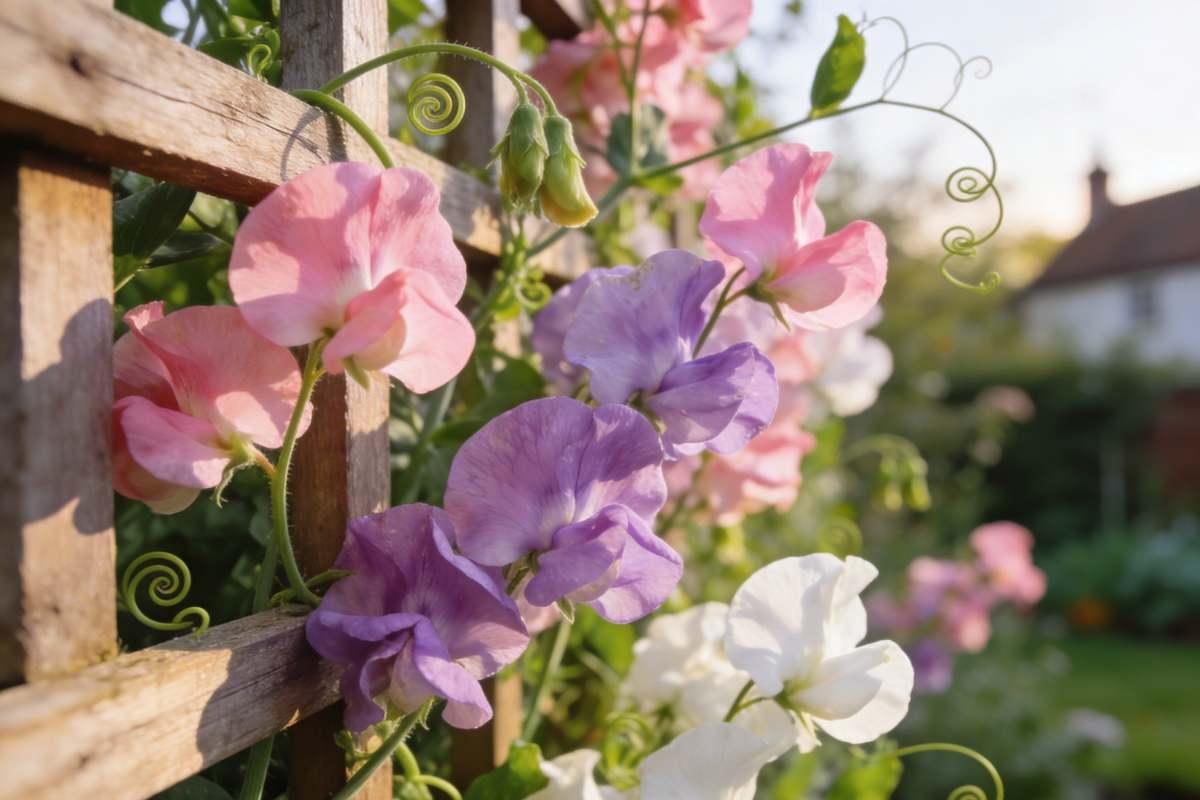
Sweet Pea Blooming Season and Care
Sweet peas bloom from late spring into early summer, preferring cool temperatures between 10–20°C and fertile soil. Provide trellising support and regular pinching for more abundant blooms.
Sweet peas need consistent moisture and are more delicate than daisies — handle gently to avoid damage. Monitor for powdery mildew and aphids throughout the growing season.
Comparing April Birth Flowers: Daisy vs Sweet Pea
|
Feature |
Daisy |
Sweet Pea |
|---|---|---|
|
Bloom shape |
Simple, open-faced with white petals |
Ruffled, butterfly-like clusters |
|
Fragrance |
Mild or none |
Intoxicating, sweet scent |
|
Symbolism |
Innocence, purity, new beginnings |
Blissful pleasure, gratitude, farewell |
|
Growth habit |
Low-growing perennial or annual |
Climbing annual, up to 2.4 m |
|
Best for |
Cheerful, casual arrangements |
Intimate, fragrant bouquets |
|
Bloom time |
Early spring to late autumn |
Late spring to early summer |
What April Birth Flowers Say About Personality
Individuals born in April are often associated with loyalty, wholesomeness, and spreading joy. Daisy-associated traits include innocence, straightforwardness, and optimism.
Sweet-pea-associated traits include appreciation for beauty, gratitude, and refined sensitivity.
April-born individuals balance wholesomeness with expressive appreciation, reflecting the character of both birth flowers. These traits make April birth flowers a meaningful symbol for birthdays.
Gifting and Arranging April Birth Flowers
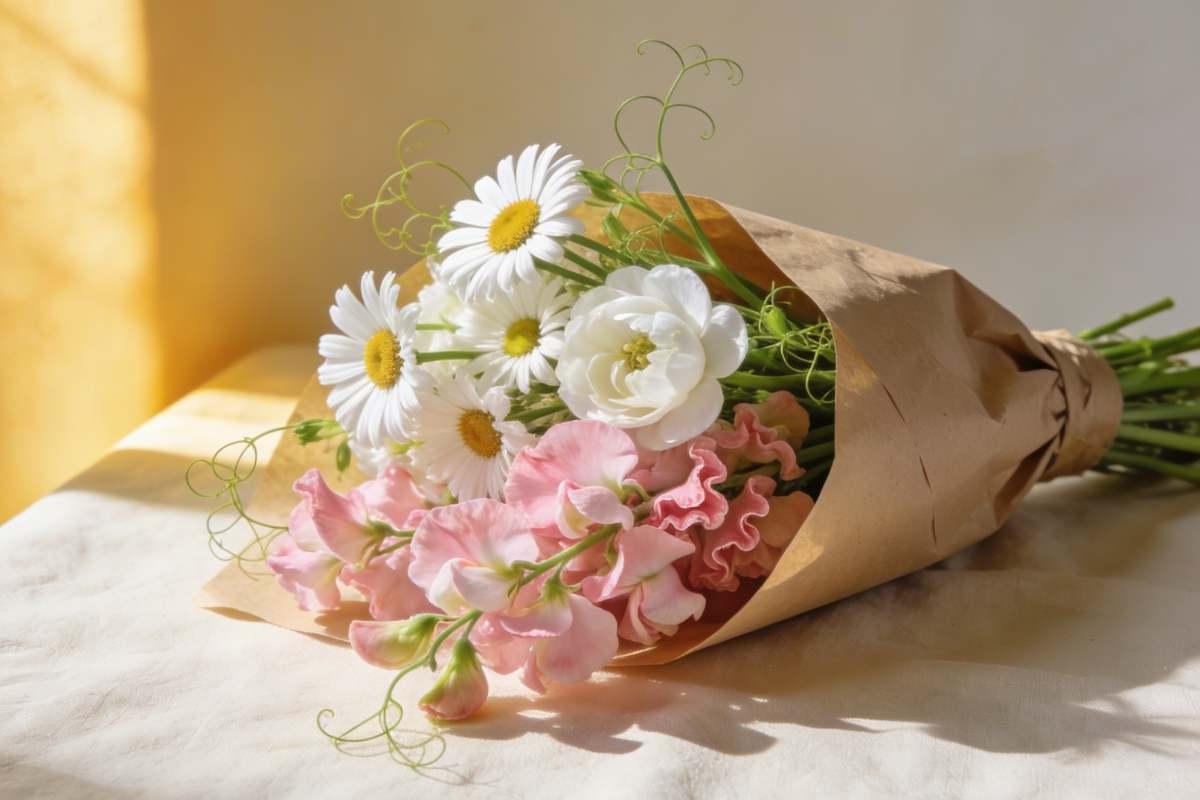
Pair white daisies with pastel sweet peas for a balanced bouquet combining simplicity and fragrance. Use gerbera daisies for bold birthday bouquets.
Include sweet peas for scent and delicate texture. Daisies also combine well with roses or tulips for vibrant spring arrangements.
Gifting a bouquet of daisies or sweet peas is a thoughtful way to celebrate an April birthday. Both flowers work beautifully in homemade cards or spring gift baskets.
For professionally arranged April birthday flowers, Fabulous Flowers & Gifts offers seasonal bouquets with same-day delivery in Cape Town.
Preserving Daisies and Sweet Peas
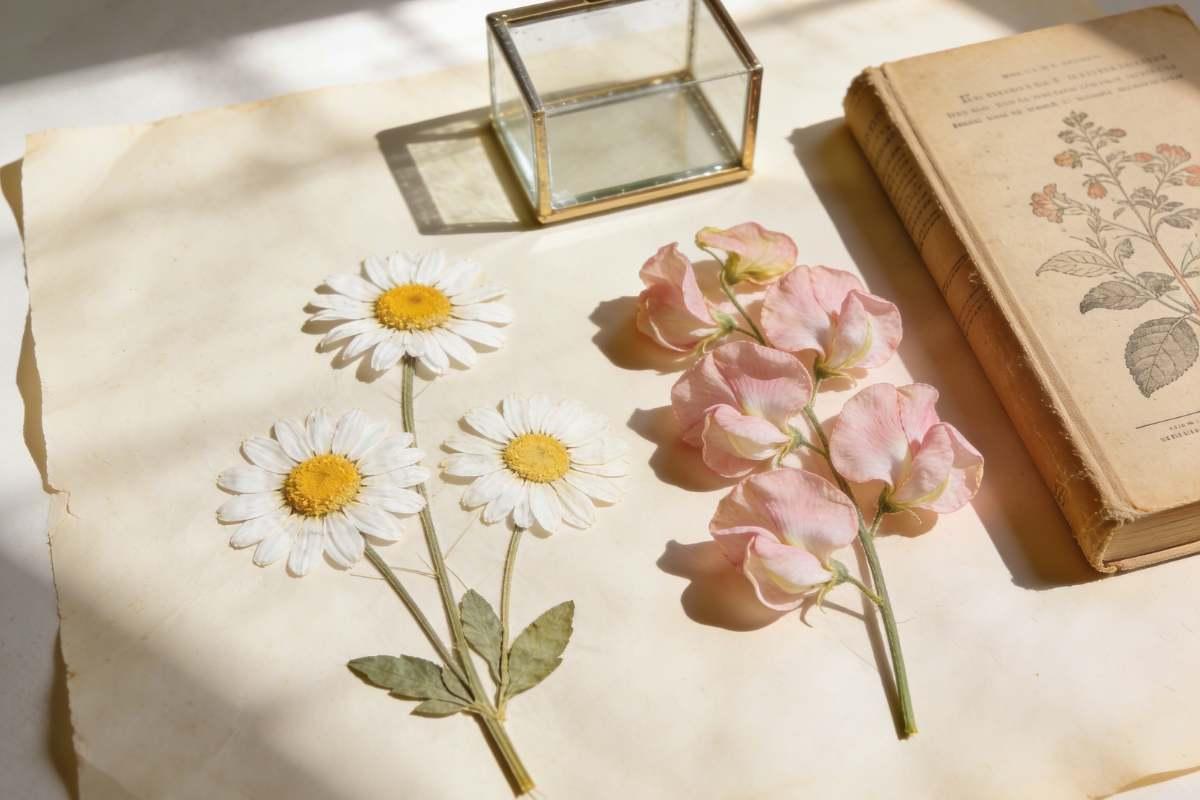
Pressing flowers during peak bloom preserves flat specimens ideal for cards and keepsakes. Air-drying or silica-gel drying preserves three-dimensional form.
Sweet peas dry more fragilely than daisies, so handle with care.
Daisies should be placed in water immediately after cutting to avoid wilting. Sweet peas last longest when kept cool.
Practical Care Notes for April Birth Month Flowers
- Watering: Daisies tolerate moderate drought once established; sweet peas need consistent moisture
- Fertiliser: Apply balanced feed in early spring for robust flowering in both species
- Pests: Monitor sweet peas for powdery mildew and aphids; daisies can suffer crown rot in poor drainage
- Sun: Both prefer full sun to partial shade
- Soil: Well-drained soil is essential for daisies; fertile, moist soil suits sweet peas
Quick Reference: April Birth Flowers at a Glance
|
Detail |
Daisy |
Sweet Pea |
|---|---|---|
|
Botanical name |
Bellis perennis (English) |
Lathyrus odoratus |
|
Symbolism |
Innocence, purity, joy |
Blissful pleasure, gratitude |
|
Native to |
Europe and Asia |
Eastern Mediterranean |
|
Sun |
Full sun to partial shade |
Full sun to partial shade |
|
Soil |
Well-drained |
Fertile, moist |
|
Bloom time |
Spring to autumn |
Late spring to early summer |
|
Height |
15–60 cm |
Up to 2.4 m (climbing) |
Final Notes on April Birth Flowers
The April birth month flower pairing suits April births perfectly — daisies for cheerful innocence and hardy nature, sweet peas for intoxicating fragrance and blissful pleasure. Both flowers bloom during spring, making them natural choices for April birthday celebrations and seasonal gardens.
April birth flower jewellery, tattoos, pressed flower art, and seasonal bouquets offer lasting ways to celebrate these beautiful birth month flowers and the people born in April.


